
How Sponsorship Models Changed the Gaming Championship
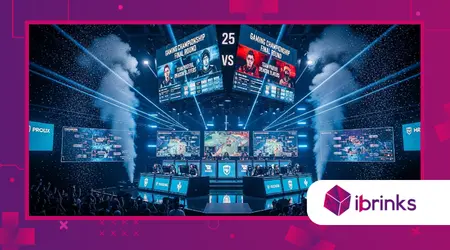
Sponsorship Models Changed the Gaming Championship by evolving from simple logo placements on jerseys to deep, multi-platform integrations that define the very structure of modern esports.
Anúncios
In 2026, the industry no longer relies on hardware brands alone; instead, global luxury, automotive, and fintech sectors now lead the investment charge.
This financial metamorphosis has shifted tournaments from niche community gatherings into global media spectacles that rival traditional sports in production and viewership.
We are witnessing a professionalization that ensures longevity for teams while creating immersive experiences that resonate with a digitally native generation.
Evolution of Competitive Funding
- Direct Integration: Brands moving beyond commercials to become active participants in the game’s virtual environment.
- Diversified Portfolios: The entry of non-endemic sponsors like fashion houses and banking institutions into the gaming space.
- Player-Centric Deals: How individual influencer contracts are reshaping the power dynamics between teams and their star athletes.
- Community Impact: The role of sponsorship in funding grass-roots circuits that feed the professional ecosystem.
How did financial partnerships revolutionize the tournament structure?
The way Sponsorship Models Changed the Gaming Championship is most visible in the prize pool stability and the professional standards of broadcast production.
Before these models matured, many organizers struggled to cover basic venue costs, often relying on ticket sales that were insufficient for growth.
Today, long-term naming rights and exclusive media partnerships provide the capital needed to host events in world-class stadiums like the O2 Arena.
This guaranteed income allows developers to plan multi-year seasons, giving players a predictable career path and fans a consistent schedule to follow.
What is the role of non-endemic brands in 2026?
Global brands like Louis Vuitton and BMW have recognized that the gaming audience is the new “prime time” demographic for high-end consumption.
These companies bring a level of prestige that attracts mainstream media attention, further legitimizing the sport in the eyes of traditional advertisers and government regulators.
By creating digital “skins” and branded in-game items, these sponsors achieve a level of engagement that a standard television ad could never match.
This deep integration is a key reason why Sponsorship Models Changed the Gaming Championship into a lifestyle and fashion powerhouse.
++ Community-Driven Qualifiers in Gaming Championship Leagues
Why is data-driven marketing the new standard?
Sponsors now demand granular metrics on viewer engagement, eye-tracking, and real-time social media sentiment during the heat of a major final match.
High-tech analytics platforms allow brands to see exactly when their logo is on screen and how the audience reacts to their presence.
This shift toward transparency has made the industry more attractive to conservative investors who previously viewed esports as a risky “Wild West.”
Precise ROI tracking is now the bedrock upon which the largest tournament budgets are built in 2026.

Why are player-first sponsorship deals becoming so influential?
Individual athletes have become the face of the industry, often commanding larger followings than the teams they actually play for during the season.
This personal branding is a primary example of how Sponsorship Models Changed the Gaming Championship by decentralizing the source of revenue.
When a star player signs a personal deal with a major beverage or tech company, they bring that sponsor’s prestige to every tournament they enter.
This creates a “celebrity effect” that drives ticket sales and viewership peaks, forcing organizers to cater to the needs of the athletes.
Also read: Blockchain prizes, NFT passes and ownership in the modern Gaming Championship
How do creator-led tournaments disrupt the market?
Influencers now host their own high-stakes championships, funded by sponsors who prefer the direct, authentic connection these creators have with their local communities.
These events often pull higher viewership numbers than official league games because they feel more personal and less corporate to the fans.
This competition for eyes has forced major leagues to innovate, leading to more interactive broadcasts and better fan rewards.
The democratization of sponsorship means that anyone with a large enough audience can now become a significant tournament organizer.
Read more: The Mobile-First Gaming Championship Revolution Has Begun
How does “The Twitch Effect” impact brand loyalty?
Real-time interaction during broadcasts allows sponsors to run live polls and giveaways that turn passive viewers into active participants in the marketing campaign.
This “gamified” advertising makes the audience feel like they are part of the sponsor’s team, rather than just targets of a sales pitch.
By rewarding viewers with digital currency or exclusive content for watching sponsored segments, brands build a loyalty that traditional sports can rarely achieve.
It is clear that Sponsorship Models Changed the Gaming Championship by making the fan experience the core product of the deal.
Why is sustainable funding the biggest challenge for the future?
Despite the massive influx of cash, the industry must ensure that Sponsorship Models Changed the Gaming Championship in a way that creates long-term health.
Over-reliance on a few “whales” massive corporate sponsors can lead to disaster if those brands decide to pivot their marketing budgets elsewhere.
Diversity in revenue streams, including digital ticket sales and fan-funded “battle passes,” is essential for surviving the inevitable shifts in the global economy.
The most successful championships are those that balance corporate support with a strong, paying fan base.
What is the impact of regional sponsorship on local scenes?
Local businesses are increasingly funding smaller, regional championships, creating a “minor league” system that provides a testing ground for future professional stars.
These local deals are often more resilient than global ones because they are tied to the specific culture of the city or region.
Supporting the grass-roots level ensures that the talent pipeline remains full, which is vital for the continued growth of the top-tier leagues.
This bottom-up approach to funding is a sophisticated evolution of how the industry perceives the value of every single gamer.
How will blockchain and NFTs influence future deals?
In 2026, many sponsorship contracts include clauses for digital collectibles and “proof of attendance” tokens that fans can trade or display in virtual spaces.
These assets provide a secondary market for sponsors to engage with fans long after the final match has ended.
While the “hype” has settled, the practical utility of verified digital ownership has become a standard tool for modern marketing teams.
This technological layer ensures that Sponsorship Models Changed the Gaming Championship by making every digital touchpoint a potential revenue stream.
Sponsorship Revenue Distribution (2026 Pro-Leagues)
| Sector | Average Contribution (%) | Primary Type of Integration | Viewership Impact |
| Technology/Hardware | 35% | Equipment Partner/Naming Rights | Very High |
| Food & Beverage | 20% | Commercial Breaks/Logo Slap | High |
| Luxury/Fashion | 15% | Digital Skins/Trophy Design | Extreme (Viral) |
| Fintech/Banking | 18% | Payment Processing/Awards | Moderate |
| Automotive | 12% | Virtual Tracks/VR Experiences | High |
The New Financial Frontier
The transition from small-scale enthusiast events to multi-billion dollar enterprises was only possible because Sponsorship Models Changed the Gaming Championship into a viable commercial platform.
We have analyzed how the shift from hardware-only deals to luxury and lifestyle integrations has redefined what it means to be an esport athlete.
This professionalization has provided the stability needed for the industry to survive and thrive in an increasingly crowded media landscape.
As we look ahead, the challenge remains to maintain the authentic “gaming spirit” while satisfying the demands of global corporate partners.
The championships of the future will be more than just games; they will be the ultimate convergence of technology, competition, and culture.
Do you think the increased corporate presence in gaming championships has improved the viewer experience, or has it become too “commercialized” for your taste? Share your experience in the comments!
Frequent Questions
Why are non-gaming brands so interested in esports?
These brands want to reach Gen Z and Millennials, who are increasingly difficult to target through traditional television or print media.
Gaming is the social hub for these generations, making it the most effective place for brands to build long-term affinity.
Do players get a share of the sponsorship money?
In most top-tier leagues, players receive a base salary plus a percentage of tournament winnings, and many have personal sponsorship deals that are separate from their team’s contracts.
This ensures that the star athletes are well-compensated for the value they bring to the broadcast.
How can a small tournament attract sponsors?
Focus on a niche community and provide high-quality engagement metrics rather than just raw viewership numbers.
Sponsors often value a small, highly loyal audience more than a large, passive one that doesn’t interact with the content.
Is sponsorship the only way for gaming championships to survive?
While it is currently the largest source of income, many leagues are moving toward a “media rights” model similar to the NBA or FIFA.
Selling the exclusive rights to broadcast games to streaming platforms or television networks is becoming a major secondary revenue stream.
Has the focus on sponsors changed the games themselves?
To some extent, yes; developers often design “spectator modes” and in-game advertising spaces specifically to make the title more attractive for professional broadcasting.
This ensures that the game is as fun to watch as it is to play, which is crucial for sponsorship ROI.
