
How drop-in multiplayer removes barriers between casual players
Anúncios
drop-in multiplayer architecture has fundamentally transformed modern gaming by eliminating friction and seamlessly connecting casual players to active digital worlds instantly.
Traditional lobbies, lengthy matchmaking queues, and rigid schedule requirements often alienated time-poor gamers, creating artificial barriers to meaningful social participation across online ecosystems.
By allowing individuals to join or leave active sessions dynamically without disrupting the matches of others, game developers foster vibrant, accessible, and inclusive online communities.
As modern gaming demographics shift toward flexible entertainment options, understanding the mechanics, benefits, and long-term community impacts of this seamless multiplayer model becomes essential for industry observers.
In This Article
- What Is Drop-In Multiplayer and How Does It Function in Modern Gaming?
- Defining Seamless Entry Mechanics
- The Engine Tech Powering Dynamic Sessions
- Distinguishing Drop-In Mechanics from Traditional Lobbies
- Why Does Drop-In Multiplayer Successfully Remove Barriers for Casual Players?
- Eliminating Time Constraints and Schedule Friction
- Reducing Social Anxiety and Competitive Pressure
- Sustaining Long-Term Engagement Across Skill Levels
- How Do Game Developers Design Balanced Drop-In Multiplayer Experiences?
- Adaptive Scaling and Dynamic Difficulty Adjustments
- Incentivizing Drop-In Players with Smart Progression
- Mitigating Disruption and Maintaining Fair Competition
- Comparative Breakdown: Drop-In vs. Traditional Multiplayer Systems
- The Future of Frictionless Gaming Communities
- Frequently Asked Questions
What Is Drop-In Multiplayer and How Does It Function in Modern Gaming?
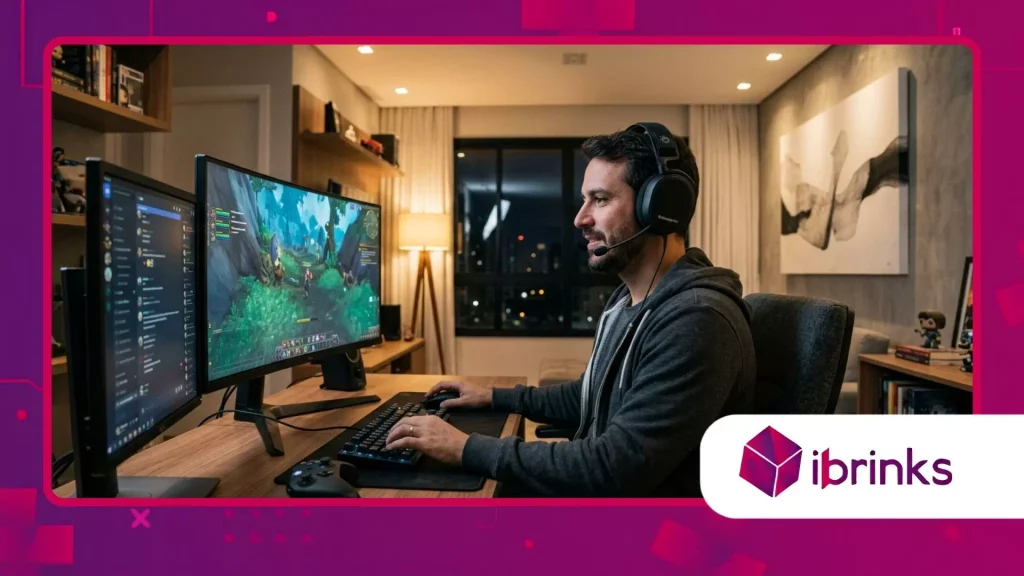
Defining Seamless Entry Mechanics
Modern online gaming relies on accessibility to keep server populations healthy, making drop-in multiplayer design a cornerstone of current multiplayer architecture.
Anúncios
This system enables players to connect directly into active gameplay sessions instantly without waiting in matchmaking queues, navigating complex server browsers, or requiring pre-formed parties before entering the game world.
Casual players benefit immensely because they can enjoy quick gaming sessions during tight schedules without feeling locked into long matches or risking abandonment penalties.
Titles like Helldivers 2, Deep Rock Galactic, and Sea of Thieves demonstrate how allowing users to drop straight into action dramatically increases daily active user retention rates across diverse player segments.
++ Why Co-Op Games Are Becoming Digital Hangout Spaces
The Engine Tech Powering Dynamic Sessions
Behind every smooth session transition lies advanced network infrastructure, back-end server scaling, and state synchronization technology engineered specifically to handle instant player integration without interrupting active gameplay.
Cloud-hosted dedicated servers continuously monitor match states, player positions, inventory data, and environmental variables to allow late-arriving players to spawn cleanly alongside active teammates.
When a new user joins an ongoing match, server instances dynamically recalibrate enemy health pools, item drop rates, and positional physics tick-rates on the fly.
This backend automation ensures seamless transitions, keeping gameplay smooth and preventing performance hitches like frame drops, lag spikes, or desynchronization issues for existing participants.
Distinguishing Drop-In Mechanics from Traditional Lobbies
Traditional multiplayer systems enforce rigid pre-game lobbies, strict readiness checks, and lock-in phases that stall immediate playability and alienate casual gamers seeking immediate entertainment.
In contrast, dynamic join systems prioritize active play, treating game sessions as persistent, fluid environments rather than static, isolated instances with strict entry conditions.
This architectural shift moves online design away from punishing commitment requirements toward flexible, player-centric environments.
Consequently, casual gamers no longer face frustrating wait times or tedious setup procedures just to enjoy twenty minutes of collaborative action after a demanding workday.
Why Does Drop-In Multiplayer Successfully Remove Barriers for Casual Players?
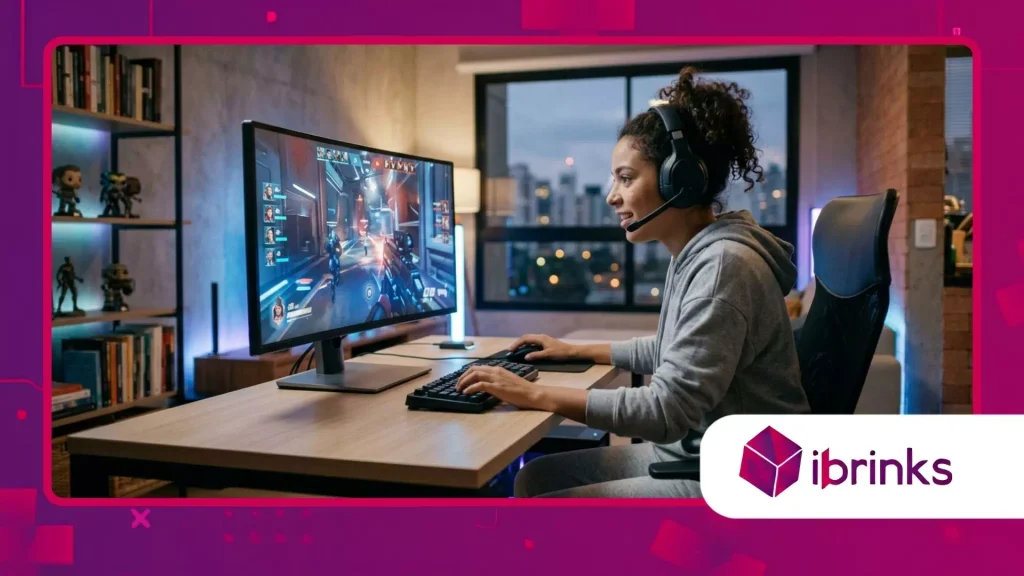
Eliminating Time Constraints and Schedule Friction
Time scarcity represents the primary obstacle preventing working adults and casual gamers from maintaining consistent habits within modern multiplayer titles.
Implementing drop-in multiplayer solutions directly addresses this issue by respecting the user’s available time, allowing players to jump straight into ongoing sessions whenever their schedule permits.
If a player only has fifteen minutes before dinner or work, they can contribute meaningfully to an active co-op mission without worrying about leaving their squad stranded if they must exit suddenly.
This frictionless flexibility turns potential scheduling conflicts into spontaneous, stress-free gaming opportunities for busy individuals everywhere.
Also read: The growth of multiplayer traditions beyond official events
Reducing Social Anxiety and Competitive Pressure
High-stakes competitive games often induce ladder anxiety, toxic lobby atmospheres, and performance pressure that intimidate newcomers and casual enthusiasts.
Dynamic session structures remove forced pre-game interactions and performance scrutiny, creating welcoming environments where casual participants can comfortably learn game mechanics at their own pace.
Is there any feeling more rewarding than hopping into an active battle, helping a struggling team turn the tide, and departing without toxic post-match commentary?
By lowering social friction, developers encourage broader demographic participation, cultivating supportive player communities focused on mutual fun rather than hyper-competitive MMR rankings.
Read more: The growth of multiplayer traditions beyond official events
Sustaining Long-Term Engagement Across Skill Levels
Player retention drops significantly when casual participants hit skill ceilings or get locked out of content due to strict level or gear requirements.
Fluid match architectures bridge these generational and skill gaps by allowing low-level novices to join experienced veterans on active missions with automated level-scaling mechanics.
According to video game research from Newzoo, over 70% of modern gamers prioritize ease of access and social playability when selecting daily multiplayer titles over hardcore competitive depth.
Bridging these accessibility gaps ensures long-term community longevity, keeping servers populated while preventing player base fragmentation across updates and expansions.
How Do Game Developers Design Balanced Drop-In Multiplayer Experiences?
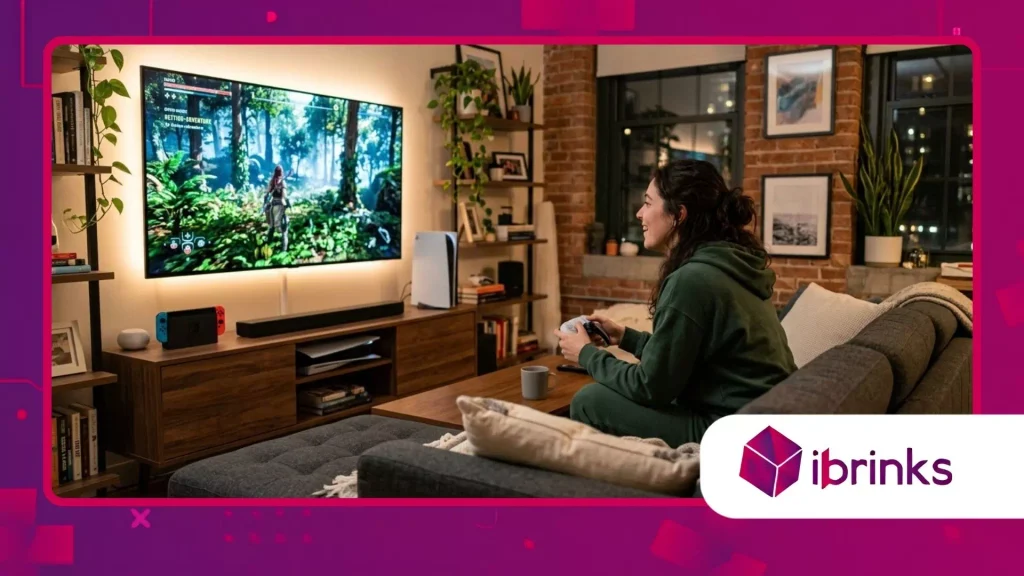
Adaptive Scaling and Dynamic Difficulty Adjustments
Designing games that instantly accept new players requires intelligent dynamic difficulty adjustment (DDA) algorithms that recalibrate game balance instantly.
As player counts fluctuate within an active session, backend systems scale enemy spawn rates, boss health bars, and damage modifiers automatically to maintain optimal challenge levels.
For instance, when a fourth player joins a three-person raid mid-fight, enemy AI behavior updates within milliseconds without interrupting combat rhythms.
This subtle algorithmic adjustment ensures that incoming players add genuine strategic value without making ongoing encounters trivial or overwhelming for the original team.
Incentivizing Drop-In Players with Smart Progression
To ensure active players welcome joiners mid-session, developers implement shared reward structures, experience bonuses, and helper incentives.
Games that reward late-arriving players with scaled experience points, unique cosmetic tokens, or bonus loot encourage community-wide support for public drop-in requests.
Furthermore, existing teammates receive extra resource drops or survival buffs when public matchmaking fills empty roster slots mid-game.
These aligned incentive structures turn surprise drop-in arrivals into celebrated community events rather than frustrating intrusions or disruptions to established team strategies.
Mitigating Disruption and Maintaining Fair Competition
While flexibility is vital for accessibility, developers must prevent abuses like mid-match griefing, rage-quitting, or tactical session hopping during competitive phases.
Integrating drop-in multiplayer features requires safety guardrails, including temporary match locks during narrative climax events, vote-kick options, and host-migration protections.
Additionally, developers restrict mid-game joining in ranked competitive queues, preserving high-stakes integrity while reserving open-join mechanics for quick-play, cooperative, and casual playlists.
This clear segregation guarantees that both casual fun-seekers and dedicated competitive players enjoy optimized gaming environments tailored to their preferences.
Comparative Breakdown: Drop-In vs. Traditional Multiplayer Systems
The structural differences between dynamic drop-in models and legacy lobby-based systems highlight why modern casual audiences increasingly favor flexible multiplayer options.
| System Attribute | Dynamic Drop-In Multiplayer | Legacy Lobby & Server Browser |
| Match Setup Time | Instant (0–15 seconds) | Slow (2–10 minutes) |
| Schedule Flexibility | Total; exit anytime without team penalties | Rigid; quitting incurs deserter penalties |
| Casual Accessibility | Extremely High; low barrier to entry | Moderate to Low; requires prep & queues |
| Social Friction | Minimal; focus on spontaneous gameplay | High; lobby voice chat & pre-game scrutiny |
| Server Population | High density via automatic backfilling | Fragmented across empty or full servers |
The Future of Frictionless Gaming Communities
As cloud streaming technologies, cross-platform progression, and AI-driven matchmaking continue to mature, the barriers separating casual players from instant social gaming will disappear entirely.
The widespread implementation of drop-in multiplayer mechanics marks an important evolutionary step toward making digital worlds universally accessible, welcoming, and responsive to modern human schedules.
By prioritizing time efficiency, lowering social anxiety, and balancing mid-session progression, game studios can build sustainable online ecosystems that thrive for years.
Ultimately, when online games respect player freedom and eliminate friction, everyone wins creating healthier, more inclusive communities where every session feels accessible, rewarding, and fun.
Are you ready to jump straight into your next favorite cooperative game without waiting in long queues? Share your favorite drop-in multiplayer experiences and memories in the comments below!
Frequently Asked Questions
What is drop-in multiplayer and how does it benefit casual gamers?
It is a multiplayer architecture allowing players to join or leave ongoing game sessions seamlessly without waiting in pre-game lobbies.
It benefits casual players by offering instant gameplay that fits tight schedules without forcing long time commitments or incurring deserter penalties.
Which popular video games use drop-in multiplayer mechanics successfully?
Cooperative titles like Helldivers 2, Deep Rock Galactic, Monster Hunter: World, Sea of Thieves, and Left 4 Dead rely heavily on this system.
These games allow players to respond to distress beacons, join public squads mid-mission, or drop out smoothly whenever necessary.
How do game engines balance difficulty when players join mid-match?
Engines use dynamic difficulty scaling algorithms that immediately adjust enemy health pools, damage outputs, and wave density based on active player counts.
This real-time balancing ensures encounters remain challenging and fair whether playing solo or in a full squad.
Does drop-in multiplayer work across cross-platform consoles and PC?
Yes, modern cross-play infrastructure allows players across PlayStation, Xbox, Nintendo, and PC to drop directly into shared ongoing sessions.
Unified account systems and cloud servers manage party syncs to keep cross-platform connections stable and immediate.
Why don’t competitive ranked esports games use drop-in mechanics?
Competitive ranked esports prioritize rigid fair-play standards, symmetric team setups, and strategic preparation, which mid-match joining would disrupt.
Consequently, developers reserve seamless drop-in multiplayer systems primarily for casual, cooperative, and unranked game modes.
