
Restoring vintage arcade cabinets on a budget
Anúncios
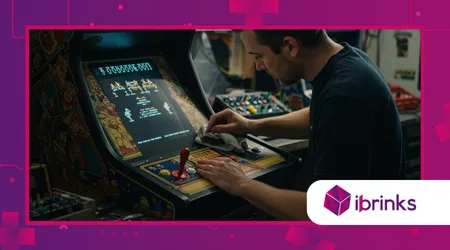
Arcade cabinets spark nostalgia, instantly transporting us to smoky arcades filled with flashing lights and 8-bit soundtracks.
These relics of gaming’s golden era think 1980s classics like Pac-Man or Street Fighter are more than machines; they’re time capsules.
Restoring them on a budget is not just a hobby but a craft that blends creativity, resourcefulness, and a passion for preserving history. Why let these treasures decay when you can revive them affordably?
This guide dives into practical, cost-effective strategies to breathe new life into vintage arcade cabinets, offering insights for enthusiasts and newcomers alike.
With careful planning, second-hand parts, and a bit of elbow grease, you can transform a beat-up cabinet into a centerpiece of retro glory without breaking the bank.
Anúncios
Let’s explore how to make it happen in 2025, where retro gaming’s resurgence is stronger than ever.
The allure of restoring arcade cabinets lies in their tangible connection to a bygone era. According to a 2024 report by Statista, the global retro gaming market is projected to reach $1.2 billion by 2026, driven by collectors and DIY enthusiasts.
This surge fuels demand for affordable restoration techniques, as original cabinets grow scarcer and pricier. Budget restoration isn’t just about saving money it’s about honoring gaming culture while creating something uniquely yours.
Whether you’re a seasoned tinkerer or a curious beginner, this article offers a roadmap to restore these iconic machines with authenticity and flair, all while keeping costs low.
Assessing Your Arcade Cabinet: Start with a Clear Plan
Before diving into restoration, evaluate your arcade cabinet thoroughly. Check for structural damage, rust, or electrical issues to prioritize tasks. A methodical approach saves time and money.
Water-damaged wood or cracked panels? Note them. Faulty wiring or a dim monitor? List those too. This initial diagnosis shapes your budget and timeline effectively.
++ The Sega Genesis vs. SNES war: Which still wins hearts?
Take photos during inspection. They’re invaluable for tracking progress and ensuring accurate reassembly, especially for complex arcade cabinets with intricate wiring or custom parts.
Don’t rush this step. A hasty assessment risks overlooking critical issues, like hidden rust or PCB damage, which could inflate costs later in the process.
For example, I once found a 1983 Galaga cabinet at a flea market. Its marquee was faded, but a quick check revealed solid wiring, saving me hundreds.

Sourcing Affordable Parts: Hunt Smart, Spend Less
Restoration costs can skyrocket without smart sourcing. Hunt for second-hand parts on eBay, arcade forums, or local classifieds to keep expenses down.
Specialty sites like ArcadeShop or KLOV’s marketplace often list joysticks, buttons, or PCBs at a fraction of retail prices. Patience is key here.
Check local arcades or repair shops for surplus parts. Many owners discard functional components from defunct arcade cabinets, perfect for budget-conscious restorers.
Also read: Top 10 SNES RPGs that modern gamers should revisit
Avoid overpaying for “NOS” (new old stock) parts unless authenticity is critical. Refurbished or compatible modern parts often work just as well for less.
For instance, I sourced a working CRT monitor for a 1987 Mortal Kombat cabinet for $50 from a local arcade’s storage, avoiding a $300 replacement.
Repairing the Cabinet: Woodwork and Aesthetics on a Dime
The cabinet’s exterior sets the tone. Fix wood damage with affordable fillers like Bondo, available at hardware stores for under $15.
Sand chipped panels smooth, then apply primer before repainting. Choose spray paint for a sleek finish—Rust-Oleum works well and costs about $8 per can.
Vinyl wraps are a budget-friendly alternative to custom artwork. Online vendors like Escape Pod offer pre-cut decals starting at $20 for side art.
Read more: How chiptune music influences today’s game soundtracks
Don’t overlook minor scratches. A $5 bottle of wood polish can hide imperfections, making your arcade cabinet look polished without extensive refinishing.
When I restored a 1980s Asteroids cabinet, I used a $10 vinyl wrap to mimic the original art, saving $200 over custom-printed decals.
Electrical Overhaul: Reviving the Heart of the Machine
The electronics in arcade cabinets are the soul of the experience. Start by testing the power supply and monitor to diagnose issues early.
Faulty wiring? Replace it with affordable harnesses from Amazon or Arcade1Up’s surplus stock, often under $30. Always consult the machine’s manual first.
Cleaning contacts with rubbing alcohol can fix sluggish buttons or joysticks. A $3 bottle from a pharmacy often outperforms pricey specialty cleaners.
For monitors, consider LED replacements if the CRT is beyond repair. They’re cheaper—around $100—and easier to source in 2025 than vintage tubes.
My Donkey Kong cabinet’s monitor flickered until I cleaned its PCB with alcohol, saving me from a $150 repair job. Small fixes yield big results.
Budget-Friendly Tools and Supplies: Work Smarter, Not Harder
Restoration doesn’t require a fancy workshop. Basic tools like screwdrivers, a drill, and a sander—often under $50 total cover most tasks.
High-quality wood filler and sandpaper are must-haves. A $10 pack of assorted grits from Home Depot can smooth even heavily damaged cabinet surfaces.
For electronics, invest in a multimeter ($15 online) to diagnose wiring issues. It’s cheaper than guessing and replacing parts unnecessarily.
Don’t skimp on safety gear. A $5 pair of gloves and safety glasses protect you while sanding or handling electrical components.
When restoring a 1985 OutRun cabinet, my $20 multimeter pinpointed a loose ground wire, saving hours of troubleshooting and costly replacements.
Table: Essential Budget Tools for Arcade Cabinet Restoration
| Tool/Supply | Purpose | Approx. Cost (2025) | Where to Buy |
|---|---|---|---|
| Screwdriver Set | Disassembling cabinet parts | $10 | Hardware stores, Amazon |
| Wood Filler (Bondo) | Repairing wood damage | $12 | Home Depot, Lowe’s |
| Sandpaper (Assorted) | Smoothing surfaces | $10 | Hardware stores |
| Multimeter | Diagnosing electrical issues | $15 | Amazon, eBay |
| Vinyl Wraps | Replacing side art | $20-$50 | Escape Pod, eBay |
Modern Upgrades vs. Authenticity: Striking a Balance
Restoring arcade cabinets often sparks debate: modern upgrades or purist authenticity? Budget constraints make this choice critical. Consider your goals carefully.
LCD monitors are cheaper than CRTs, often $100 versus $300, and easier to find. They sacrifice some retro charm but save significant cash.
Multi-game boards like the 60-in-1 JAMMA board ($60 online) offer variety without needing multiple PCBs, ideal for casual players on a budget.
Purists might insist on original parts, but refurbished joysticks or buttons from ArcadeShop maintain authenticity while costing 50% less than NOS components.
For my Space Invaders cabinet, I chose a $70 LCD monitor over a $250 CRT, preserving gameplay feel while keeping costs manageable.
Modern LED lighting can replace fluorescent marquee bulbs for $10, offering brighter, longer-lasting illumination. It’s a practical upgrade for budget restores.
Community and Resources: Tap into the Retro Gaming Network

The retro gaming community is a goldmine for budget restorers. Forums like KLOV or Reddit’s r/cade offer free advice and troubleshooting tips.
YouTube channels like The Wicked Arcade provide detailed restoration tutorials, often highlighting cost-saving hacks for beginners tackling arcade cabinets.
Local meetups or arcade expos, like the Midwest Gaming Classic, connect you with enthusiasts who trade parts or share expertise, cutting restoration costs.
Don’t ignore social media. X’s #ArcadeRestoration hashtag often reveals deals on parts or cabinets, posted by collectors downsizing their collections.
When I struggled with a Tempest cabinet’s spinner, a KLOV member traded me a working one for $15, far below the $50 retail price.
Preserving Nostalgia: Why It’s Worth the Effort
Restoring arcade cabinets isn’t just about gaming it’s about preserving a cultural artifact. Each cabinet tells a story, from smoky arcades to modern home setups.
Budget restoration makes this hobby accessible. You don’t need thousands to revive a machine; $200-$500 can transform a fixer-upper into a showpiece.
The process teaches patience and ingenuity. Like solving a puzzle, each repaired part brings you closer to reliving those quarter-fueled arcade nights.
Beyond personal satisfaction, restored cabinets hold value. A well-restored Ms. Pac-Man can fetch $1,500-$2,000, per 2025 eBay trends, rewarding your effort.
Think of restoration like gardening: you nurture a neglected seed into a vibrant plant, creating joy for years. That’s the magic of retro gaming.
Conclusion: Your Arcade Adventure Awaits
Restoring vintage arcade cabinets on a budget is a rewarding blend of nostalgia, craftsmanship, and thrift.
With smart sourcing, basic tools, and community support, you can revive these gaming relics without draining your wallet.
The process demands patience but delivers unmatched satisfaction each restored cabinet is a testament to your dedication.
In 2025, as retro gaming surges, there’s no better time to dive in. Whether you’re saving a Pac-Man cabinet from a garage sale or rebuilding a Street Fighter for your game room, the journey is as thrilling as the result.
So, what’s stopping you from bringing a piece of arcade history back to life? Start small, plan smart, and let your passion for retro gaming shine.
The community aspect can’t be overstated. Connecting with fellow enthusiasts on platforms like X or at local expos fuels inspiration and uncovers deals.
Your restored cabinet isn’t just a machine it’s a legacy, a conversation starter, and a portal to the past. Grab that screwdriver, hunt for that bargain part, and make your mark on gaming history.
Frequently Asked Questions
How much does it cost to restore an arcade cabinet on a budget?
With smart sourcing, expect $200-$500, covering parts, tools, and materials. Costs vary based on cabinet condition and desired upgrades.
Where can I find affordable parts for arcade cabinets?
Check eBay, ArcadeShop, KLOV forums, or local arcade shops. X’s #ArcadeRestoration hashtag often reveals deals from collectors.
Should I use modern upgrades or stick to original parts?
It depends on your goals. Modern parts like LCD monitors save money, while original parts preserve authenticity. Balance cost and nostalgia.
How long does it take to restore an arcade cabinet?
A budget restoration typically takes 20-40 hours, spread over weeks, depending on damage and your experience level. Patience is key.
Are there risks in restoring arcade cabinets myself?
Yes, especially with electronics. Use a multimeter, follow manuals, and avoid live circuits. Safety gear like gloves is essential.
