
لماذا تجذب الألعاب ذات الجلسات القصيرة اللاعبين المشغولين؟
إعلانات
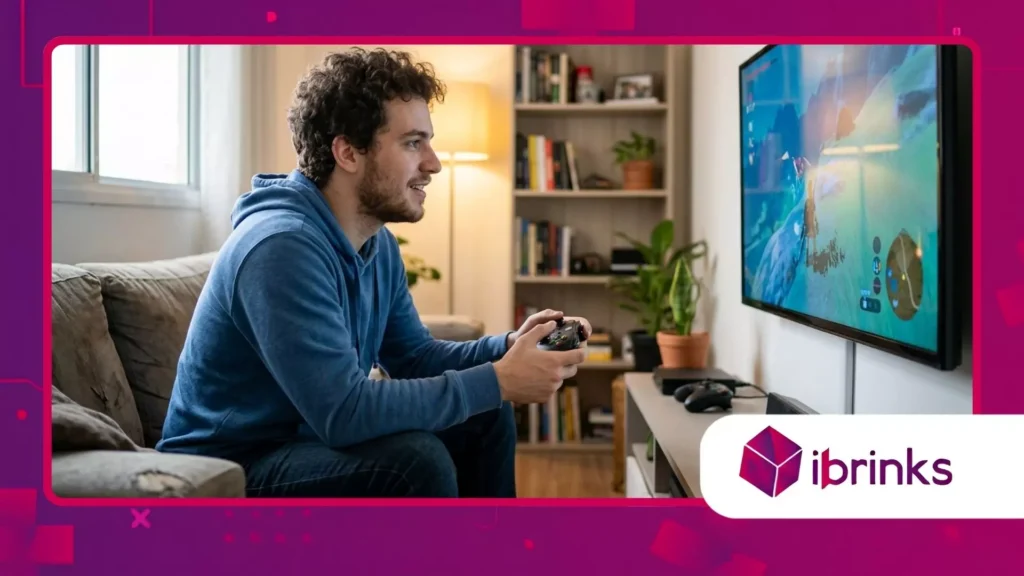
ألعاب الجلسات القصيرة إنهم يعيدون تعريف كيفية تفاعل العالم الحديث مع الترفيه الرقمي، مما يثبت أن التجارب الملحمية لا تتطلب مئات الساعات من الالتزام.
مع ازدياد ضغط الجداول اليومية في عام 2026، يواجه نموذج الألعاب التقليدي القائم على الطحن اللانهائي منافسة شديدة من الألعاب المصممة للحظات القصيرة.
يمثل هذا التحول تغييراً سلوكياً جوهرياً بين اللاعبين الذين ما زالوا يحبون هذه الهواية ولكنهم يفتقرون إلى رفاهية الجلسات الطويلة غير المتقطعة.
يتمحور جوهر هذه الظاهرة حول الكفاءة، وهياكل المكافآت النفسية، وإمكانية الوصول إلى الأجهزة الحديثة.
يستكشف هذا التحليل صعود ألعاب الفيديو السريعة، وتأثيرها الثقافي، ومحركاتها التكنولوجية، وما يخبئه المستقبل للمتحمسين المشغولين في جميع أنحاء العالم.
إعلانات
- ثورة الألعاب المصغرة: فهم التحول الثقافي المفاجئ نحو فترات اللعب السريعة.
- سيكولوجية المكاسب السريعة: كيف يصمم مطورو الألعاب نظام تقدم ذي مغزى ضمن جداول زمنية ضيقة.
- المحفزات التكنولوجية: الابتكارات في مجال الأجهزة والحوسبة السحابية التي تجعل اللعب الفوري ممكناً.
- مستقبل اللعب: توقعات حول كيفية تحقيق التوازن بين العمق والإيجاز في هذه الصناعة.
لماذا يتجه اللاعبون إلى الترفيه السريع والمتقطع؟
يتطلب نمط الحياة الحديث اهتماماً مستمراً، مما يجعل الأفلام الضخمة التقليدية التي تتطلب ساعات من الإعداد تبدو أشبه بوظائف ثانية بدلاً من كونها استرخاءً حقيقياً.
يتزايد رفض المستهلكين للألعاب التي تعاقبهم على امتلاكهم حياة خارج الشاشة، ويختارون بدلاً من ذلك تجارب تحترم وقت فراغهم المحدود.
وقد أجبر هذا التطور السلوكي الصناعة على إعادة التفكير في كيفية تقديم القيمة لفئة سكانية تقيس وقت الفراغ بالدقائق بدلاً من الساعات.
يعكس المشهد العالمي للألعاب الآن هذا الواقع، حيث يعطي المطورون الأولوية للتفاعل الفوري على حساب القصص البطيئة التطور.
وفقًا لتقرير استهلاكي حديث لعام 2025 صادر عن شركة Newzoo، فإن أكثر من 64% من اللاعبين البالغين يفضلون الألعاب التي تسمح لهم بإكمال أهداف محددة في غضون خمس عشرة دقيقة.
هذا الواقع الإحصائي يسلط الضوء على حقيقة أوسع: عندما تصبح الحياة فوضوية، فإن أفضل لعبة هي تلك التي تتيح لك اللعب والفوز وتسجيل الخروج دون قلق.
ما الذي يُعرّف الجلسة القصيرة في الألعاب الحديثة؟
تتيح تجربة اللعب القصيرة الحقيقية للاعب تشغيل البرنامج، واللعب مع الخصوم أو تحميل مستوى، وإنهاء جولة كاملة خلال رحلة تنقل واحدة أو استراحة قهوة.
تُزيل هذه التجارب الحشو، وشاشات التحميل الطويلة، والمشاهد السينمائية التي لا يمكن تخطيها والتي كانت تُضخم تاريخياً ألعاب تقمص الأدوار التقليدية ومغامرات العالم المفتوح.
بدلاً من ذلك، يركز المطورون بشكل كبير على الآليات التي توفر إشباعاً فورياً مع الحفاظ على مستوى عالٍ من المهارة.
وهذا يضمن أن تكون الجولة التي تستغرق خمس دقائق بنفس القدر من التنافسية والمكافأة والعمق الميكانيكي مثل جلسة حملة طويلة بعد الظهر على جهاز ألعاب تقليدي.
++ كيف تساهم التجارب التي يبنيها المجتمع في إطالة عمر اللعبة
كيف تحد أنماط الحياة الحديثة من الألعاب التقليدية؟
إن مسؤوليات البالغين مثل الوظائف والالتزامات العائلية والواجبات الاجتماعية تخلق روتينًا يوميًا مجزأً حيث تصبح جلسات اللعب المطولة التي تستغرق عدة ساعات أمرًا مستحيلاً عمليًا.
عندما تظهر ساعة فراغ نادرة، فإن الطاقة الذهنية المطلوبة لإعادة تعلم عناصر التحكم المعقدة أو تذكر حبكة قصة كثيفة غالباً ما تثني الأفراد المرهقين عن اللعب على الإطلاق.
وبالتالي، يبحث المستهلكون عن بدائل سهلة الاستخدام توفر مخرجاً فورياً دون عبء منحنى التعلم الحاد أو استثمار الوقت الكبير.
يرغب اللاعب العصري في تجربة نشوة النصر خلال ساعة الغداء، محولاً فترات الفراغ في جدوله الزمني إلى لحظات فرح نشطة.
اقرأ أيضاً: ظهور خرائط الطريق التي يقودها المجتمع لتحل محل خطط التنمية الثابتة
لماذا تتكيف الصناعة مع المستهلكين الذين يعانون من ضيق الوقت؟
يدرك الناشرون أن تجاهل الفئة السكانية البالغة المشغولة يعني تفويت مليارات الدولارات، حيث يمتلك هؤلاء الأفراد أعلى قوة شرائية في السوق.
من خلال تصميم التجارب لتناسب فترات زمنية أقصر، تضمن الشركات أن تظل منتجاتها ذات صلة بالمعجبين الأكبر سناً الذين نشأوا وهم يحبون هذا الوسط ولكن لديهم الآن جداول زمنية معقدة.
وقد أدى هذا الواقع الاقتصادي إلى تحول إبداعي هائل، حيث استثمرت الاستوديوهات الكبرى بكثافة في عناوين ذات إنتاج ضخم مصممة خصيصًا حول هياكل المباريات السريعة.
لم يعد الهدف مجرد إبقاء اللاعبين مسجلين الدخول لمدة اثنتي عشرة ساعة متواصلة، بل ضمان عودتهم كل يوم لمدة عشر دقائق رائعة.
كيف يجعل المطورون الجلسات القصيرة تبدو مجزية؟
يتطلب خلق تجربة ذات مغزى في إطار زمني محدود فهمًا رائعًا لتصميم الألعاب وأنظمة التقدم وإيصال الدوبامين.
يحقق المطورون ذلك من خلال ضغط الحلقة الأساسية التقليدية للمخاطرة والمكافأة في نافذة نشاط شديدة الكثافة والتركيز.
من خلال تصميم واجهة مستخدم ذكي وآليات تقدم ذكية، ألعاب الجلسات القصيرة ضمان ألا يشعر أي لاعب بأنه أضاع وقته الثمين.
تخيل تصميم لعبة روغلايك حديثة أو لعبة بطاقات رقمية: كل حركة تدفعك للأمام، أو تفتح عنصرًا، أو تعلمك درسًا حيويًا.
هل لاحظت يوماً كيف أن مباراة واحدة مدتها عشر دقائق قد تكون أكثر إثارة من التجول في خريطة عالم مفتوح ضخمة وفارغة لمدة ثلاث ساعات؟
هذا نتيجة هندسة نفسية متعمدة ودقيقة مصممة لزيادة العائد العاطفي على استثمارك إلى أقصى حد.
اقرأ المزيد: كيف توازن الألعاب الحديثة بين الحرية والتوجيه دون مساعدة مباشرة؟
ما هي فلسفة التصميم التي تركز على الميكانيكا أولاً؟
يتخلص هذا النهج من الإطالة السردية وأوقات السفر المملة ليضع اللاعب مباشرة في الجزء الأكثر إثارة من حلقة اللعب منذ الثانية الأولى.
يجب أن يكون لكل ضغطة زر تأثيرها، ويجب أن يكون كل نظام بديهيًا بما يكفي لفهمه دون الحاجة إلى سلسلة دروس تعليمية إلزامية مدتها ثلاث ساعات.
من خلال التركيز على عناصر التحكم سريعة الاستجابة والقرارات التكتيكية الفورية، يضمن المطورون أن تصبح طريقة اللعب نفسها هي السرد.
لا تُروى القصة من خلال مشاهد سينمائية سلبية؛ بل تُعاش بشكل ديناميكي من خلال لحظات سريعة وعفوية تحدث أثناء مباريات قصيرة ومكثفة.
كيف تتغير حلقة الدوبامين في المباريات القصيرة؟
في الألعاب التقليدية، يتم توزيع المكافآت على فترات زمنية متباعدة لإطالة مدة التجربة، لكن الأشكال المختصرة تكثف هذا الجدول الزمني بشكل كبير للحفاظ على مستوى عالٍ من التفاعل.
يحصل اللاعبون على شارات أو عملات أو ترقيات في الرتب بعد كل جولة، مما يخلق إيقاعًا ثابتًا من التعزيز الإيجابي الذي يحترم وقتهم.
يعمل هذا الهيكل السريع للمكافأة كجرعة من الأدرينالين، مما يوفر استراحة نظيفة من ضغوط الحياة اليومية دون التسبب في الإرهاق العقلي.
يسجل الدماغ دورة كاملة ومرضية من الجهد والإنجاز، مما يجعل المستخدم يشعر بالرضا بدلاً من الإحباط بسبب قصة غير مكتملة.
ما هو دور التطور التجميلي والمستمر؟
ولضمان عودة اللاعبين يوماً بعد يوم، يفصل المطورون بين أسلوب اللعب الذي يستغرق وقتاً طويلاً وبين تخصيص الشخصيات على المدى الطويل وبطاقات المعارك الموسمية.
قد لا يتوفر لك سوى عشر دقائق للعب مباراة، لكن نقاط الخبرة المكتسبة تساهم في نظام تقدم على مستوى الحساب يمتد لأشهر.
وهذا يخلق شعوراً بالنمو الدائم والمكانة المجتمعية التي تستمر بغض النظر عن مدة جلساتك اليومية الفردية.
إنها تسد الفجوة بين سهولة الوصول غير الرسمية والالتزام الجاد، مما يسمح للمهنيين المشغولين بالوقوف بفخر جنبًا إلى جنب مع المراهقين على قوائم المتصدرين العالمية.
ما هي التقنيات التي تدفع هذا التحول نحو اللعب الفوري؟
إن صعود هذا الشكل ليس مجرد انتصار لتصميم الألعاب؛ بل هو متجذر بعمق في قفزات تكنولوجية هائلة حدثت خلال السنوات القليلة الماضية.
لقد تضافرت الابتكارات في مجال الأجهزة والبرامج لإزالة الحواجز التاريخية أمام الدخول، مما جعل الانتقال من وضع الاستعداد إلى اللعب النشط فوريًا تقريبًا.
بدون هذه التحسينات في البنية التحتية، سيظل مفهوم جلسة اللعب الحقيقية التي تستغرق خمس دقائق أمراً مستحيلاً من الناحية التقنية.
من محركات الأقراص الصلبة فائقة السرعة في أجهزة الألعاب المنزلية إلى شبكات البث السحابي القوية، اختفت تمامًا صعوبة بدء اللعبة.
تخيل الأمر مثل البث التلفزيوني الحديث: لم نعد ننتظر وقت بث محدد؛ ببساطة ننقر ونشاهد على الفور كلما سنحت لنا فرصة غير متوقعة خلال يومنا.
كيف غيّرت أجهزة الألعاب المحمولة والهجينة عادات اللاعبين؟
لقد أدى الانتشار المطلق للهواتف الذكية عالية الأداء والأجهزة الهجينة مثل نينتندو سويتش أو ستيم ديك إلى تحرير الألعاب بشكل دائم من أريكة غرفة المعيشة.
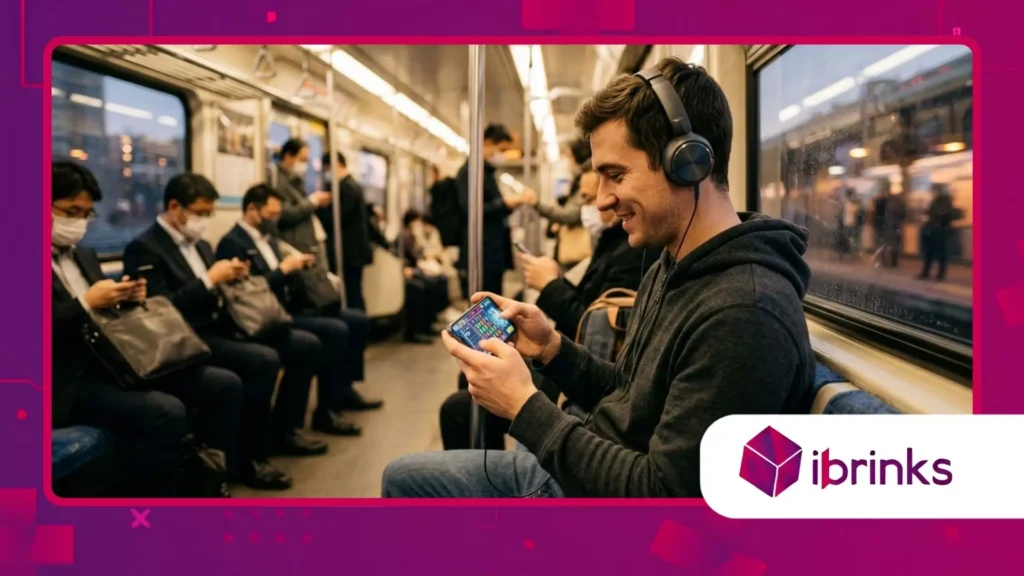
يحمل اللاعبون قوة معالجة تضاهي أجهزة الألعاب المنزلية في جيوبهم أو حقائبهم، مما يحول رحلات المترو وغرف الانتظار ومحطات المطارات إلى صالات ألعاب شخصية.
تم تصميم هذه الأجهزة للإيقاف والاستئناف الفوري، مما يسمح للفرد بإيقاف اللعبة مؤقتًا أثناء اللعب، وقفل الشاشة، والعودة إلى نفس الإطار بالضبط بعد ساعات.
لقد أدى هذا القضاء التام على القلق بشأن الادخار إلى تغيير جذري في كيفية دمجنا للهوايات الرقمية في حياتنا اليومية.
لماذا تُعدّ الألعاب السحابية مثالية للجلسات السريعة؟
تتيح تقنية الحوسبة السحابية للاعبين بث الألعاب الثقيلة ذات الرسومات المذهلة مباشرة إلى الشاشات ذات الطاقة المنخفضة دون انتظار تنزيل تحديثات ضخمة بحجم خمسين جيجابايت.
عندما لا يملك اللاعب سوى عشرين دقيقة فراغ، فإن انتظار تحديث البرنامج يدمر تماماً فرصة اللعب.
من خلال نقل العمليات الحسابية الثقيلة إلى الخوادم البعيدة، تتيح البنية التحتية السحابية الوصول الفوري عبر متصفح ويب بسيط أو تطبيق جوال.
تتيح نقطة الدخول السلسة هذه تحويل أي جهاز متصل بالإنترنت إلى بوابة للأجهزة المتطورة ألعاب الجلسات القصيرة، مما يتيح الوصول إلى وسائل الترفيه المتميزة للجماهير المشغولة.
كيف تعمل خوارزميات التوفيق الحديثة على تحسين وقت اللاعب؟
إن الانتظار في ردهة لمدة عشر دقائق لمجرد لعب جولة مدتها خمس دقائق هو تجربة مستخدم كارثية تقضي على التفاعل.
تستخدم أنظمة التوفيق المتقدمة في عام 2026 الذكاء الاصطناعي التنبؤي لتجميع اللاعبين ذوي مستويات المهارة المتشابهة معًا في غضون ثوانٍ معدودة.
تقوم هذه الخوارزميات بتحليل كثافة اللاعبين، وزمن استجابة الشبكة، وأوقات اللعب السابقة لضمان امتلاء غرف اللعب على الفور تقريبًا.
من خلال تقليل وقت التوقف في القوائم، تضمن التكنولوجيا أن يتم قضاء كل ثانية من وقت فراغ المستخدم في لعب اللعبة فعليًا.
ملخص أنماط الألعاب
يقدم الجدول التالي مقارنة موضوعية لكيفية احترام واستخدام هياكل ألعاب الفيديو المختلفة لوقت اللاعب في المشهد الحديث.
| تنسيق اللعبة | متوسط مدة الجلسة | المكونات الرئيسية | نموذج التقدم | جاذبية أساسية للاعبين المشغولين |
| لعبة تقمص أدوار تقليدية / عالم مفتوح | من ساعتين إلى أربع ساعات | أجهزة الكمبيوتر الشخصية / أجهزة الألعاب المنزلية | السرد وتطوير المستويات | منخفض (يتطلب التزامًا عاليًا) |
| ألعاب الجلسات القصيرة | من 5 إلى 20 دقيقة | جوال / هجين / سحابي | مكافآت فورية وبطاقات معركة | أقصى (دخول بدون احتكاك) |
| الرياضات الإلكترونية التنافسية | من 30 إلى 45 دقيقة | أجهزة الكمبيوتر الشخصية / أجهزة الألعاب المخصصة | لوحات المتصدرين المصنفة ونظام ELO | متوسطة (قد تستغرق المباريات وقتاً طويلاً) |
| ألعاب خفيفة/ألغاز | من دقيقة إلى خمس دقائق | الهواتف الذكية | فتح تدريجي للمستويات | مستوى عالٍ (مثالي للتشتيت السريع) |
احتضان عصر الجلسات المصغرة
إن الصعود الصاروخي لألعاب الفيديو السريعة هو استجابة طبيعية ومتعاطفة لعالم يتحرك بوتيرة أسرع كل يوم.
من خلال التخلص من التضخم الاصطناعي والتركيز كلياً على التفاعل الفوري وعالي الجودة، أنقذ المطورون هذه الهواية لجيل من المعجبين المتقدمين في السن الذين اعتقدوا أنهم تجاوزوها.
تثبت هذه التجارب أن القيمة الحقيقية للعبة لا تُقاس بعدد الساعات التي تستغرقها من حياتك، بل بكمية المتعة التي تضفيها على الدقائق التي يمكنك منحها إياها.
مع استمرار التكنولوجيا في إزالة الاحتكاك وتطور فلسفات التصميم بشكل أكبر، ستصبح الحدود بين واقعنا المزدحم وعوالمنا الافتراضية أكثر سلاسة.
إذا وجدت نفسك تكافح لتحقيق التوازن بين حبك للألعاب وجدولك اليومي المرهق، فقد يكون الوقت قد حان لتغيير قائمة التشغيل الخاصة بك.
ما هي لعبتك المفضلة عندما لا يتوفر لديك سوى عشر دقائق؟ شاركنا تجربتك في التعليقات أدناه!
الأسئلة الشائعة
هل تفتقر الألعاب ذات الجلسات القصيرة إلى سرد قصصي عميق؟
ليس بالضرورة. فبينما تتخلى العديد من الألعاب عن سجلات النصوص الطويلة وساعات من المشاهد السينمائية، فإنها تستخدم سرد القصص البيئي والمعلومات الغنية المدمجة مباشرة في آليات اللعب لبناء عوالم رائعة بكفاءة.
هل يمكن لعب لعبة مصممة لجلسات قصيرة لساعات؟
نعم. روعة التميز ألعاب الجلسات القصيرة يكمن سرها في تصميمها المعياري؛ فهي مصممة لتكون مُرضية في فترات مدتها عشر دقائق، ولكن حلقة اللعب غالباً ما تكون جذابة للغاية لدرجة أن اللاعبين يربطون جلسات متعددة بسعادة عندما يجدون أنفسهم مع وقت فراغ غير متوقع.
هل تعتمد هذه الألعاب بشكل كبير على أساليب الربح الاستغلالية؟
بينما عانى سوق الهواتف المحمولة تاريخياً من هذا، فإن النظام البيئي الحالي في عام 2026 يُظهر تحولاً هائلاً نحو تصاريح المعارك التجميلية العادلة وألعاب الإندي المميزة التي تُشترى لمرة واحدة والتي تحترم تماماً كلاً من محفظة اللاعب ووقته.
