
لماذا تعمل التصفيات متعددة المراحل على توسيع نطاق الوصول التنافسي؟
إعلانات
Multi-stage qualifier structures have fundamentally revolutionized how grassroots esports competitors ascend to premier global stages.
By breaking down impenetrable tournament barriers, these multi-tier pathways ensure that raw talent triumphs over established franchise clout.
Competitive gaming ecosystems in the current landscape demand transparency, fairness, and accessible entry points for thousands of hopeful teams.
Tournament operators increasingly recognize that rigid, direct-invite systems stifle competitive growth and alienate passionate community fanbases.
Consequently, modern tournament architecture has embraced layered preliminary phases to accommodate unprecedented numbers of registered participants globally.
إعلانات
Expanding accessibility requires careful balancing of scheduling logistics, server capacities, and broadcast production value across every single competitive tier.
Analysts note that major competitive circuits incorporating multi-tiered preliminary brackets experience surges in player retention and overall community engagement.
This paradigm shift proves that opening doors wider yields higher competitive peaks and more dramatic underdog storylines during main events.
As esports continues its rapid maturation, understanding these structural transformations provides vital insight into the future of organized digital sports.
Quick Overview of Key Insights
- Core structural breakdown of tiered preliminary brackets across modern esports circuits.
- Democratization of entry mechanisms for amateur and underdog rosters worldwide.
- Measurable impacts on competitive integrity, viewer retention, and operational scalability.
What Is a Multi-Stage Qualifier and How Does It Reshape Competitive Access?

What Defines the Structure of Multi-Stage Qualifiers?
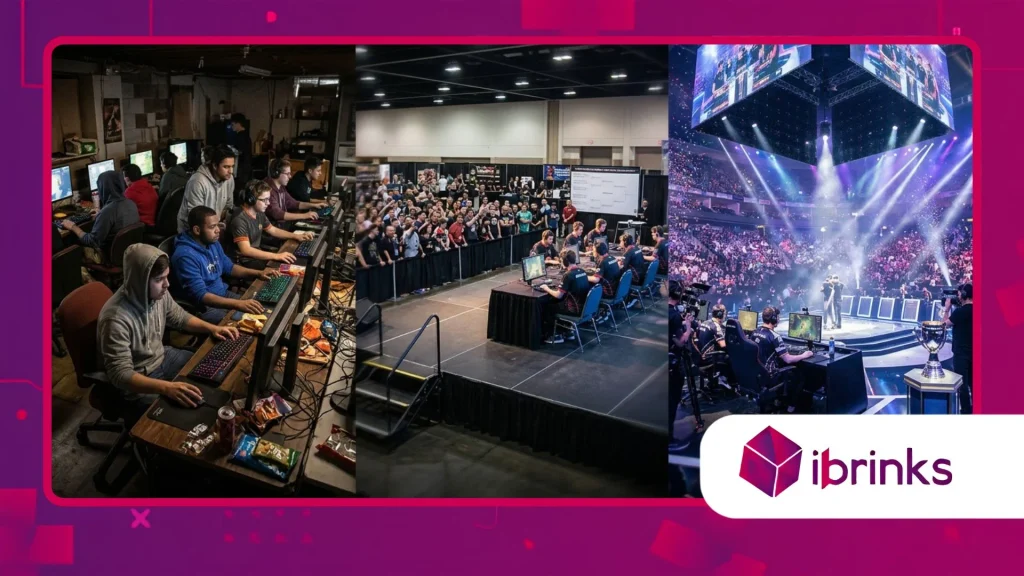
أ multi-stage qualifier functions as a progressive tournament framework consisting of successive open brackets, closed play-ins, and regional group phases.
Teams must navigate multiple elimination hurdles before securing coveted slots in premier championship main events.
This architecture replaces outdated single-elimination invitation models with rigorous, performance-based advancement ladders.
Every participating roster starts from standardized foundational levels or regional seedings depending on circuit regulations.
Therefore, advancement relies purely on match wins rather than historical organization prestige or brand popularity.
The structural design typically separates participants into distinct tiers to manage massive player influxes efficiently.
Initial open brackets accommodate thousands of amateur squads simultaneously across regional servers without bottlenecking tournament infrastructure.
Successful survivors then advance to closed qualification rounds featuring professional tier-two organizations and seeded contenders.
This graduated filtering mechanism ensures that only the most resilient and tactically adaptable rosters reach the ultimate stage.
Ultimately, the framework creates a transparent meritocracy where every victory carries immense developmental weight.
How Do Open Phases Democratize Entry for Amateur Rosters?
Open registration periods eliminate traditional gatekeeping mechanisms that historically blocked talented unknown squads from professional recognition.
Amateur players can register directly through platform portals without requiring corporate backing, prior tournament history, or special networking connections.
This absolute openness invites garage-built teams to challenge established titans on equal competitive footing.
Furthermore, decentralized online qualifiers allow remote competitors from underserved regions to participate without prohibitive travel costs.
Consequently, regional talent pools flourish as local players gain invaluable official match experience against diverse opponents.
Removing financial barriers to entry transforms regional scenes into vibrant incubators for rising esports superstars.
When underfunded rosters realize they have a legitimate path to global championships, motivation and practice dedication skyrocket.
Tournament organizers benefit immensely from this influx of fresh competitive energy and unpredictable strategic meta adaptations.
Moreover, community enthusiasm multiplies as fans watch local underdogs upset seasoned veterans during early broadcasted matches.
This grassroots accessibility revitalizes the entire competitive ecosystem by continuously refreshing the talent pipeline with untested prodigies.
++ كيف تُقرّب الجولات الترويجية للبطولات الرياضات الإلكترونية من الجماهير المحلية
Why Do Tournament Organizers Embrace Tiered Progression Formats?
Organizers adopt tiered progression formats to solve severe logistical bottlenecks caused by massive global registration numbers.
Managing tens of thousands of teams in a single flat bracket is computationally and operationally impossible for broadcast teams.
By staggering matches across chronological stages, production staff can spotlight marquee matchups while running background qualifiers smoothly.
This structured scheduling optimizes server load, referee allocation, and broadcast talent rotation without sacrificing match integrity.
Thus, operational efficiency increases dramatically while production quality remains consistently high throughout the entire tournament lifecycle.
Financial sustainability represents another critical driver behind the widespread adoption of multi-tiered competitive event architectures.
Extended tournament runways generate continuous streaming content, driving vital advertising revenue and fan engagement across weeks instead of days.
Sponsors receive prolonged brand exposure as matches unfold across successive weekend broadcasts rather than a brief weekend sprint.
Additionally, data analytics gathered from early stages help organizers tailor content packages to specific regional audiences.
This commercial viability ensures that competitive circuits can sustainably fund larger prize pools and robust support staff.
How Do Multi-Stage Qualifiers Improve Competitive Integrity and Player Development?
What Mechanisms Prevent Dominant Teams from Monopolizing Slots?
Traditional tournament circuits frequently suffered from static invite loops that favored legacy franchises over current competitive form.
أ multi-stage qualifier disrupts this stagnation by forcing even established powerhouse organizations to earn their championship placement annually.
Seeding protocols integrate recent tournament performance metrics and circuit point standings to maintain fair initial bracket arrangements.
However, unexpected upsets in early open rounds can eliminate complacent giants before they reach the main event.
This constant pressure guarantees that tournament slots reflect absolute current skill rather than historical reputation.
Anti-cheat enforcement and rigorous match auditing are integrated deeply into every single competitive tier of modern qualifiers.
Advanced telemetry tracking and mandatory anti-cheat software protect match integrity from unauthorized tampering or exploit abuse.
Furthermore, transparent rulebooks establish clear penalties for unsportsmanlike conduct or roster manipulation attempts during active qualification phases.
These strict protective measures cultivate an environment where fair play and tactical execution reign supreme.
Consequently, fans and competitors alike trust that advancing rosters earned their success through uncompromised competitive excellence.
++ لماذا أصبحت التصفيات الإقليمية أكثر أهمية للبطولات العالمية
How Do Regional Play-Ins Bridge the Gap for Emerging Talent?
Regional play-in stages serve as crucial stepping stones between chaotic open brackets and elite international championship lobbies.
Emerging regional squads often struggle when thrust directly against veteran global titans without intermediate competitive preparation.
Play-in tournaments provide a controlled environment where rising stars can adapt to high-pressure broadcast environments and advanced tactical pacing.
Teams learn to analyze opponent tendencies, manage tournament fatigue, and execute under intense psychological pressure.
This graduated exposure accelerates player development much faster than standard scrimmages or regional amateur leagues.
Bridging the developmental gap also enhances the cultural diversity and stylistic variety of global championship events.
Different geographic regions foster distinct tactical metas, aggressive pacing strategies, and unconventional drafting preferences.
When regional play-ins successfully funnel diverse winners into international stages, viewers witness fascinating tactical clashes of gaming philosophies.
This rich cross-pollination of strategies elevates the global game, inspiring new generations of players to innovate.
Ultimately, regional play-ins ensure that global tournaments truly represent worldwide excellence rather than localized dominance.
اقرأ أيضاً: صعود أقسام السيدات في مختلف دوائر الرياضات الإلكترونية العالمية
Why Does Structured Progression Enhance Spectator Engagement?
Structured progression transforms a simple tournament into an unfolding narrative arc filled with compelling underdog storylines.
Fans love watching unknown amateur squads defeat heavily favored veterans through sheer tactical brilliance and relentless determination.
Because multi-stage events unfold over extended weeks, audiences invest emotional capital into following unexpected Cinderella runs.
Broadcasters capitalize on these dramatic narratives by producing in-depth profile pieces and highlighting rising player journeys.
Consequently, viewer retention remains exceptionally high throughout preliminary phases that previously suffered from low audience numbers.
Live-streaming analytics demonstrate that audiences crave the high-stakes drama generated by elimination matches in lower tiers.
The threat of elimination in every single round creates palpable tension that keeps viewers glued to their screens.
Chat rooms and social media platforms explode with debate as community members predict which underdog will cause the next upset.
This active participation turns passive spectators into passionate brand advocates who fiercely support their favorite qualifying teams.
Therefore, structured progression directly drives community growth and long-term loyalty across every participating gaming title.
What Are the Economic and Logistical Impacts of Tiered Tournament Formats?

How Do Broadcast Schedules Adapt to Expanded Preliminary Rounds?
Expanding preliminary rounds forces broadcast production teams to adopt modular, multi-stream coverage models to showcase simultaneous matches.
أ multi-stage qualifier creates a massive volume of competitive content that cannot fit into a single main channel schedule.
Producers deploy community casters, secondary studio setups, and automated observer tools to capture crucial underdog victories.
This decentralized broadcasting approach ensures that passionate fans can follow their local or amateur heroes without missing marquee matchups.
Thus, media output scales organically alongside the expanding competitor base.
Managing broadcast fatigue among talent and production staff requires meticulous advance planning and rotational shift scheduling.
Directors carefully sequence match windows to prevent burnout while maintaining continuous momentum across multi-week qualification cycles.
Advanced remote production technologies enable broadcast crews to collaborate seamlessly from multiple international locations without compromising audio-visual quality.
These sophisticated operational workflows prove that modern esports production has evolved into a highly professional media enterprise.
Consequently, sponsors receive polished, reliable advertising placements across extensive broadcast schedules.
What Financial Sustainability Benefits Do Organizers Experience?
Extended tournament timelines distribute operational expenditures across multiple quarters rather than concentrating massive costs into a single weekend.
Organizers can optimize venue rentals, production gear utilization, and personnel contracts more efficiently throughout the extended competitive season.
Furthermore, continuous event activity provides a steady stream of engaging content to satisfy streaming platform partnership agreements.
This revenue stability allows tournament organizers to weather economic downturns and reinvest profits back into grassroots prize pools.
Financial resilience ultimately strengthens the entire commercial foundation of professional competitive gaming.
Diversified revenue streams emerge naturally when tournaments span multiple weeks and engage broader demographic segments globally.
Digital ticket sales, battle pass tie-ins, and team-branded virtual merchandise generate substantial income during preliminary qualifying phases.
Sponsors eagerly fund events that feature prolonged consumer touchpoints rather than fleeting weekend advertising windows.
Additionally, government grants and regional tourism boards often subsidize qualifying events hosted in local arenas.
These diverse financial inflows create a self-sustaining economic engine that benefits every stakeholder in the ecosystem.
How Do Sponsors Evaluate Visibility Across Multiple Qualifying Tiers?
Corporate sponsors evaluate tournament value by analyzing comprehensive viewership metrics, engagement rates, and demographic reach across all stages.
أ multi-stage qualifier offers brands exceptional exposure longevity, keeping logos visible in front of dedicated gamers for months.
Unlike short-lived traditional sports tournaments, tiered esports events maintain active audience attention through continuous weekly storytelling.
Brands can target specific regional demographics during localized play-in phases or target global tech enthusiasts during main broadcasts.
This precise targeting capability maximizes return on investment for major corporate partners.
Brand alignment deepens when sponsors support grassroots accessibility initiatives rather than just backing dominant championship winners.
Consumers deeply appreciate companies that invest in opening doors for amateur players and fostering inclusive competitive communities.
Sponsorship activations during early qualifying rounds often feature interactive community challenges, amateur coaching sessions, and exclusive digital rewards.
These authentic community engagements build profound brand loyalty and positive public perception among young, tech-savvy audiences.
Consequently, corporate investment in multi-stage competitive circuits continues to accelerate year after year.
| Format Metric | Single-Stage Invitation Model | Multi-Stage Qualifier System |
| Amateur Accessibility | Extremely Low (Static Invites) | Universal (Open Registration) |
| Broadcast Duration | Brief Weekend Event | Extended Multi-Week Run |
| Underdog Upset Rate | الحد الأدنى | High (Dynamic Progression) |
| Sponsorship Value | Concentrated Window | Prolonged Seasonal Exposure |
The Future of Open Esports Ecosystems
The ongoing evolution of competitive gaming proves that absolute openness and structured meritocracy are essential for sustainable industry growth.
By dismantling artificial barriers and inviting universal participation, multi-stage qualifier architectures have redefined what it means to be a professional competitor.
Fans, players, and organizers all reap the rewards of a transparent system where talent alone dictates success.
Share your experience with competitive qualifiers in the comments below and let us know your favorite underdog story!
الأسئلة الشائعة
What is a multi-stage qualifier in esports?
A multi-stage qualifier is a comprehensive tournament system that divides competition into successive phases, including open brackets, closed play-ins, and regional group stages.
This progressive format allows thousands of amateur teams to compete for limited advancement slots into premier championship events.
How do amateur teams register for tiered tournaments?
Amateur teams can register directly through official tournament platform portals by submitting their roster information, meeting game-specific rank requirements, and adhering to regional eligibility rules.
Open registration periods welcome any eligible squad without requiring corporate backing or special invitations.
Why are open preliminary rounds beneficial for viewers?
Open preliminary rounds generate compelling underdog storylines, unexpected upsets, and intense elimination drama that captivates audiences over extended weeks.
Viewers enjoy watching garage-built teams challenge established professional franchises on equal competitive footing.
How do tournament organizers manage broadcast schedules for multi-tier events?
Organizers utilize modular multi-stream coverage models, community caster partnerships, and rotational talent shifts to broadcast simultaneous matches across different tiers.
This decentralized approach ensures that all crucial preliminary matches receive adequate media visibility.
What impact do regional play-ins have on global championships?
Regional play-ins bridge the developmental gap between amateur open brackets and elite international lobbies by testing rising talent in high-pressure environments.
They introduce diverse tactical metas and cultural playstyles, ensuring that global championships represent worldwide competitive excellence.
