
كيف يُغير التطوير المشترك طريقة صنع الألعاب المستقلة اليوم
إعلانات
Co-development models are fundamentally restructuring how independent video game studios manage production schedules, creative scaling, and technical architecture in the modern gaming ecosystem.
Smaller development teams no longer need to carry every single discipline in-house, as collaborative external engineering and art support allow studios to maintain artistic control while scaling up operations.
This editorial feature explores the fundamental shift toward collaborative development models within the independent gaming ecosystem. The roadmap below highlights the core thematic areas examined across this analysis:
- Understanding External Support Models in Modern Game Production
- What Is Strategic External Collaboration in Indie Game Publishing?
- How Does Co-Development Differ From Traditional Studio Outsourcing?
- Why Are Independent Studios Adopting External Engineering Networks?
- Operational Execution and Scalability Drivers
- How Does Technical Collaboration Improve Multi-Platform Releases?
- What Are the Main Financial Benefits of Shared Studio Resources?
- How Do Creative Teams Preserve Artistic Vision During Scaling?
- Industry Data and Strategic Execution Frameworks
- What Metrics Define Successful Studio Collaboration Partnerships?
- How Do Shared Workflows Reduce Burnout in Small Teams?
- Why Will Hybrid Production Define the Future of Gaming?
What Is Strategic External Collaboration in Indie Game Publishing?
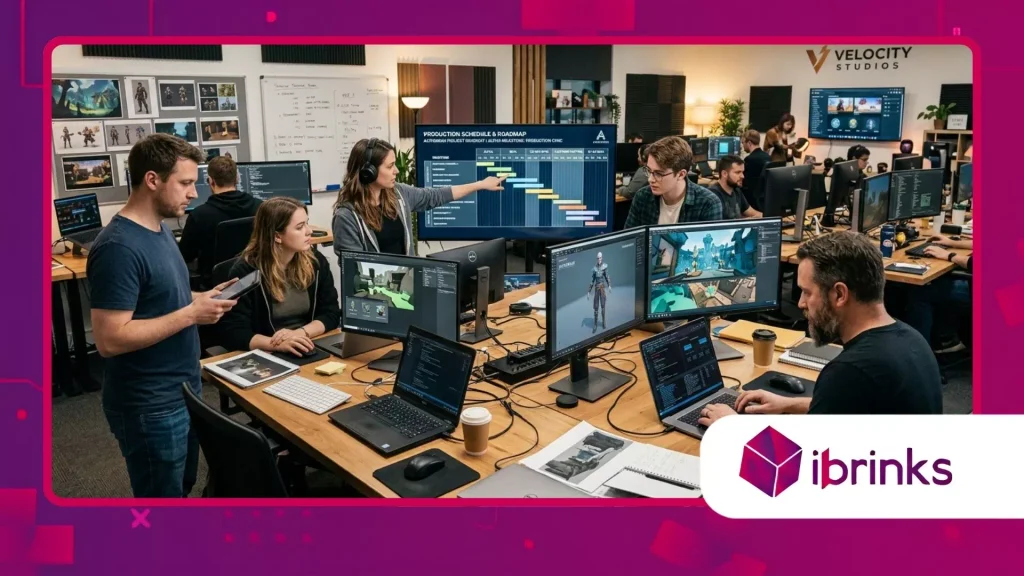
Modern game design demands rapid adaptability across specialized technical fields, driving independent studios toward collaborative production arrangements with external partner studios.
As title scopes expand beyond original expectations, working with third-party technical specialists allows creative leads to focus on core mechanics without risking project delays.
إعلانات
Through structured partnerships, studios pool engineering power, quality assurance, and asset creation pipelines to navigate complex cross-platform porting challenges efficiently.
Rather than scaling permanent headcount rapidly which frequently leads to severe post-launch contraction studios can scale capacity up or down dynamically depending on active production cycles.
How Does Co-Development Differ From Traditional Studio Outsourcing?
Traditional outsourcing generally handles isolated asset production such as 3D models or environmental textures, whereas co-development integrates external teams directly into core gameplay systems, engine architecture, and long-term feature planning.
This level of integration ensures that external developers actively contribute to creative problem-solving rather than simply fulfilling task checklists.
By establishing shared code repositories, joint communication channels, and synchronized milestone reviews, teams operate as a unified studio unit rather than distant vendors.
This deep technical alignment minimizes integration friction, preventing code debt from accumulating while ensuring high performance standards across target console platforms.
++ مستقبل ألعاب العالم المشترك خارج نطاق صيغة ألعاب تقمص الأدوار الجماعية عبر الإنترنت (MMO)
Why Are Independent Studios Adopting External Engineering Networks?
Rising production expectations across PC and console ecosystems require small teams to deliver high-fidelity visuals alongside rock-solid frame rates.
Integrating specialized external engineering networks lets independent creators implement complex networking code, advanced physics engines, and custom rendering pipelines without hiring full-time specialists for brief development phases.
Furthermore, access to global talent pools enables studios to maintain continuous round-the-clock development schedules across differing time zones.
This operational flexibility significantly reduces time-to-market, allowing independent titles to launch smoothly in competitive windows without pushing internal staff into prolonged crunch cycles.
How Does Technical Collaboration Improve Multi-Platform Releases?
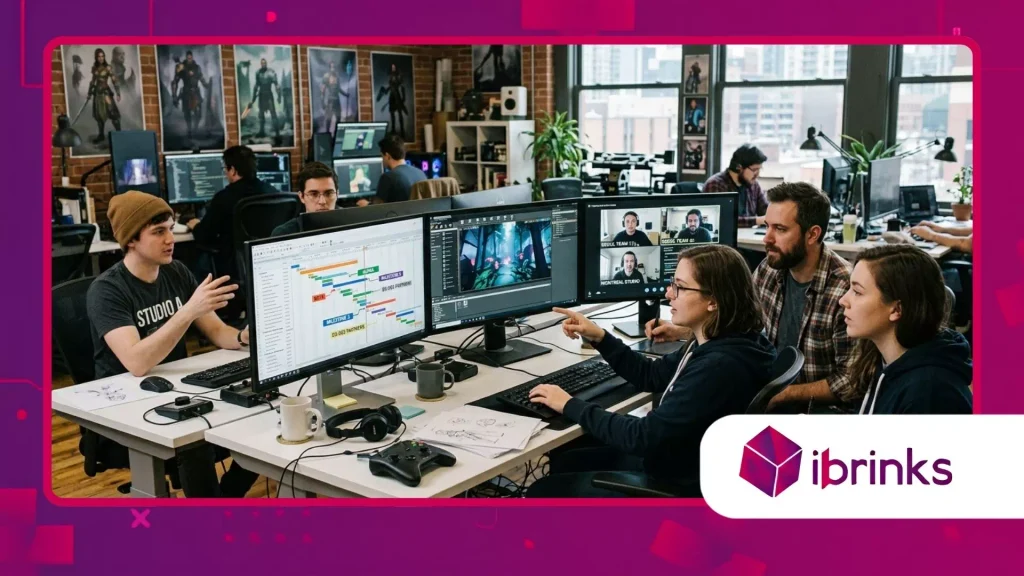
Launching a game across multiple platforms simultaneously presents massive technical hurdles, particularly for core teams with limited hardware debugging experience.
Third-party technical partners bring specialized knowledge in memory optimization, platform-specific certification rules, and controller SDK integration that would otherwise consume months of core development time.
By delegating console porting and platform compliance to dedicated co-engineers, original creators can keep their focus trained on gameplay balance and content updates.
This strategy drastically lowers the risk of launch delays or platform rejection during certification tests.
اقرأ أيضاً: ظهور خرائط الطريق التي يقودها المجتمع لتحل محل خطط التنمية الثابتة
What Are the Main Financial Benefits of Shared Studio Resources?
Relying on co-development strategies offers independent studios a agile financial structure that reduces long-term overhead commitments while preserving operational capital.
Instead of expanding fixed payroll costs during heavy production phases, studios allocate budgets toward flexible resource agreements tied to specific production milestones.
According to research published in the Developer Satisfaction Survey by the International Game Developers Association (IGDA), over 60% of game developers report that collaborative studio models significantly improve production stability and resource allocation.
This financial strategy mitigates risk in an unpredictable market, allowing studios to remain solvent through long development cycles.
اقرأ المزيد: كيف توازن الألعاب الحديثة بين الحرية والتوجيه دون مساعدة مباشرة؟
How Do Creative Teams Preserve Artistic Vision During Scaling?
Preserving a game’s unique artistic vision requires clear creative leadership and well-documented technical standards across every participating team.
Think of a game project like a symphony orchestra; while guest musicians join to enrich specific movements, the conductor retains full control over the tempo and emotional tone.
To prevent visual or design inconsistencies, lead directors establish detailed style guides, modular asset kits, and strict code review workflows before granting external access.
Regular design syncs ensure that every externally built feature aligns naturally with the original vision.
What Metrics Define Successful Studio Collaboration Partnerships?
Measuring success in collaborative production requires tracking key performance indicators across code quality, milestone delivery speed, and communication efficiency.
Clear tracking prevents misunderstandings and ensures both teams stay aligned on core technical standards throughout the project lifecycle.
The informative table below outlines key operational differences between traditional vendor outsourcing and integrated external collaboration models across modern game projects:
| Operational Dimension | Traditional Vendor Outsourcing | Integrated Co-Development |
| Workflow Integration | Isolated task completion via handoff tickets | Direct integration into primary source code repositories |
| Creative Input | Limited strictly to provided specifications | Active participation in feature design and problem-solving |
| Technical Responsibility | Basic asset production and simple debugging | Core systems architecture, networking, and platform porting |
| إدارة المخاطر | High integration risk at final assembly | Continuous integration testing throughout production |
| Resource Flexibility | Fixed deliverables per contract agreement | Dynamic scaling based on immediate production needs |
How Do Shared Workflows Reduce Burnout in Small Teams?
Overwork remains a persistent challenge in game development, with small indie teams often bearing the heaviest operational burdens during final polish phases.
Partnering with external studios distributes heavy workloads more evenly, protecting core developers from severe exhaustion during critical development pushes.
By delegating complex tasks like multi-language localization testing or bug fixing to external teams, lead developers preserve their mental energy for creative design decisions.
This balanced workflow promotes sustainable studio culture while maintaining high product quality.
Why Will Hybrid Production Define the Future of Gaming?
As game technology advances, the line between indie and AAA production standards continues to blur, making hybrid production models the industry norm.
Small teams using co-development can build expansive game worlds that once required hundreds of in-house staff.
Will independent studios that refuse external production support survive in an increasingly demanding global games marketplace?
Studios that embrace collaborative workflows position themselves to adapt quickly, scale efficiently, and consistently deliver memorable gaming experiences.
Transforming Independent Game Production Realities
Adopting co-development workflows represents a major structural shift in how independent video games are designed, funded, and brought to market today.
By combining internal creative direction with flexible external technical capacity, independent studios can build ambitious titles without compromising financial stability or team health.
This collaborative approach democratizes game development, letting small teams compete on a global scale while retaining their creative identity.
Have you noticed performance improvements in recent indie releases powered by shared studio efforts? Share your thoughts and favorite indie titles in the comments below!
الأسئلة الشائعة
What is the core difference between outsourcing and co-development in gaming?
Outsourcing handles isolated tasks like individual 3D models or sound effects with minimal integration. In contrast, collaborative development embeds external specialists directly into core game architecture, gameplay systems, and overall project planning.
How do independent studios protect their intellectual property when working with external partners?
Studios protect their intellectual property using strict legal frameworks, detailed non-disclosure agreements, clear copyright assignment clauses, and modular code repositories that limit external access strictly to relevant development sub-systems.
Does external studio collaboration increase overall game production costs?
While hourly rates for specialized partners can be higher, it significantly cuts long-term costs by eliminating permanent overhead, expensive onboarding, and specialized hardware purchases for short production phases.
Which game engine systems benefit most from external technical partnerships?
Complex systems like multiplayer networking code, physics engines, custom graphics shaders, platform certification frameworks, and console memory optimization benefit immensely from specialized third-party engineering expertise.
How do indie teams maintain clear communication across different time zones?
Teams rely on asynchronous tools, shared task boards, unified version control systems, and scheduled daily stand-up meetings to ensure smooth coordination across global development networks.
