
التاريخ وراء ألعاب البرامج المجانية التي غيرت عالم ألعاب الكمبيوتر
إعلانات
Shareware games revolutionized personal computer entertainment during the early nineties by introducing an ingenious distribution model that bypassed traditional retail stores completely.
Independent software developers discovered that distributing the first third of an epic video game for free created viral marketing momentum.
Players copied floppy disks eagerly and handed them to friends across schoolyards and office buildings worldwide.
This grassroots distribution phenomenon rescued the PC industry from obscurity and launched legendary development studios.
Unlocking the full version required mailing checks or calling toll-free numbers to receive unlock codes or physical media packages.
إعلانات
Imagine tasting a delicious free appetizer at a restaurant, which immediately compels you to order the massive main course.
That clever psychological hook transformed curious computer owners into lifelong paying customers overnight.
Are you ready to explore how these digital stepping stones altered gaming history forever?
Navigating Retro Computer Entertainment Evolution
- Investigating floppy disk distribution networks and early bulletin board systems.
- Analyzing the psychology behind episodic pricing models and free trial chapters.
- Documenting legendary studio transitions from garage projects to global titans.
- Evaluating historical software preservation efforts for classic MS-DOS archives.
What Made the Early Distribution Model So Revolutionary?
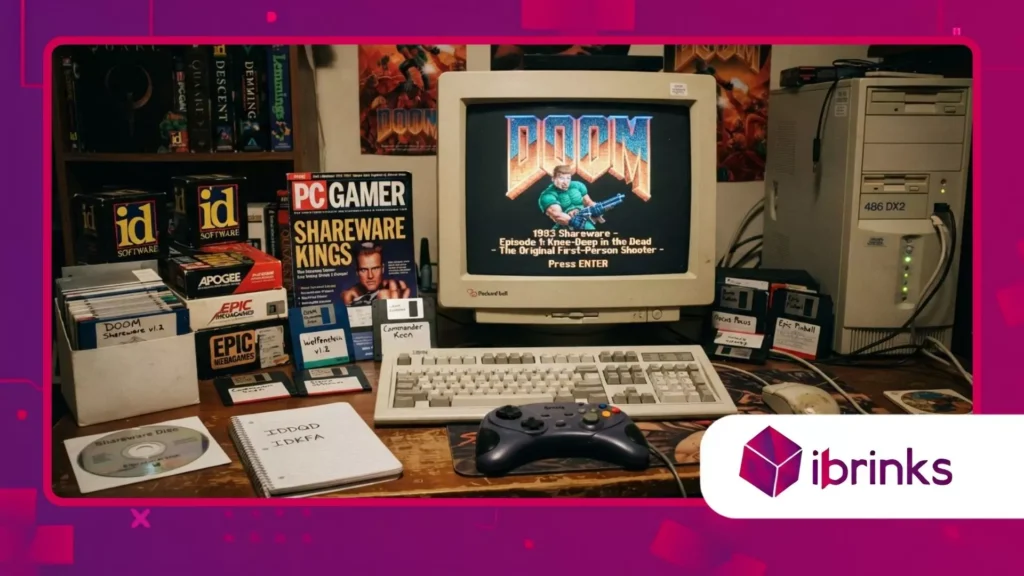
Shareware games succeeded because traditional retail shelves were dominated by expensive console cartridges that left little room for risky independent PC titles.
Developers packaged complete first episodes into compressed archives and uploaded them directly to local electronic bulletin board systems.
Think of these downloadable files as digital Trojan horses containing irresistible fun that breached corporate office firewalls silently.
Users tested software risk-free before spending hard-earned money on unproven entertainment products.
Historical market data compiled by computer historians indicates that id Software’s iconic release generated millions of dollars through direct mail orders.
Scott Miller’s pioneering distribution strategies proved that trust-based consumer sales could outperform multi-million dollar advertising campaigns easily.
When players experienced premium quality firsthand, financial compensation followed naturally without heavy-handed digital copy protection.
This open ecosystem fostered unprecedented creative risk-taking across the entire software industry.
How Did Electronic Bulletin Board Systems Operate?
Dedicated hobbyists maintained phone-line connected servers where users dialed in using acoustic couplers and slow modems to download game archives.
These digital hubs served as vibrant community centers for early computer enthusiasts exchanging tips and tricks. Downloading a megabyte took hours of patient waiting.
++ استكشاف نماذج أولية نادرة لألعاب الأركيد الكلاسيكية
Why Was the Episodic Release Strategy Effective?
Releasing the initial episode entirely free lowered consumer entry barriers while guaranteeing suspense for future chapters.
Players finished the introductory levels craving more action, which drove mail-order conversions sky-high. This psychological anticipation drove early viral adoption rates.
اقرأ أيضاً: شرح ثورة ألعاب الأركيد في السبعينيات
How Did Word-of-Mouth Marketing Fuel Growth?
Friends copied floppy disks on office computers during lunch breaks, spreading digital entertainment faster than any print magazine advertisement could.
Peer recommendations carried immense credibility among skeptical gamers looking for quality software. Community enthusiasm became the ultimate promotional engine.
How Did Legendary Studios Rise From Humble Garage Beginnings?
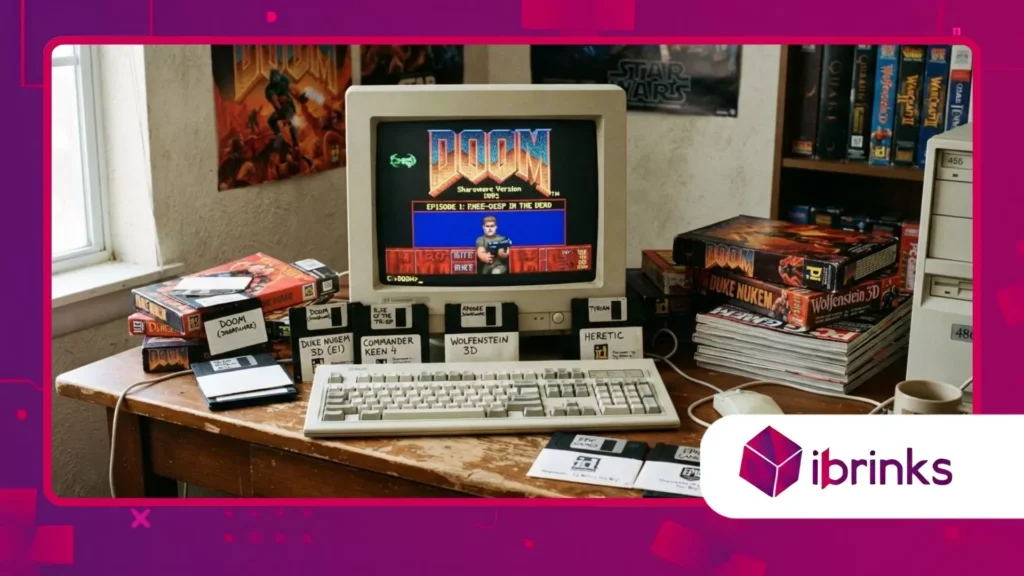
Shareware games provided the financial springboard required for visionary programmers to build independent powerhouses without venture capital backing.
Brilliant developers working out of cramped bedrooms coded masterpieces like الموت و Commander Keen using basic equipment.
Imagine an underground garage band recording a raw demo tape that accidentally sparks a worldwide musical revolution.
That fierce independence allowed creators to push boundaries without corporate interference or censorship.
Industry retrospectives highlight how modest mail-order profits funded massive studio expansions that forever altered the global entertainment landscape.
Creators retained complete intellectual property rights, reaping the financial rewards of their grueling overnight programming sessions.
This entrepreneurial freedom inspired thousands of bedroom coders to pursue their ultimate creative ambitions. The software landscape shifted permanently from hobbyist bedrooms to corporate boardrooms.
اقرأ المزيد: تحليل صعود النسخ المُعاد تصميمها من الألعاب الكلاسيكية: التسويق والحنين إلى الماضي
What Role Did Direct Consumer Feedback Play?
Developers read physical fan mail and bulletin board messages daily, incorporating player suggestions directly into subsequent software patches and sequels.
This intimate communication loop created fierce customer loyalty and lifelong brand advocacy. Fans felt personally invested in the studio’s ongoing success.
Why Did Major Publishers Initially Ignore the Model?
Traditional retail executives viewed computer disk distribution as a chaotic flea market rather than a legitimate commercial channel.
Established companies clung tightly to shrink-wrapped retail boxes sold exclusively in department stores. That corporate blindness allowed nimble indie developers to capture the market.
How Did Self-Publishing Change Developer Economics?
Retainable profit margins skyrocketed when creators eliminated greedy middlemen and retail distributors from their financial equations.
Instead of earning tiny royalties, independent programmers collected nearly all mail-order revenue directly. Financial stability fueled ambitious multi-year game development projects.
What Led to the Eventual Decline of the Traditional Trial Era?
Shareware games eventually faded from prominence as widespread internet broadband adoption and digital storefronts replaced physical floppy disks and modems.
Online digital platforms streamlined purchasing processes, rendering mail-order checks and telephone orders obsolete overnight.
Imagine replacing a rustic country post office with a supersonic bullet train network; efficiency transformed consumer habits permanently.
Publishers shifted toward downloadable demos and internet-exclusive alpha tests to market modern releases.
Contemporary digital archives and retro gaming museums preserve these historic software artifacts so younger generations can experience computing history firsthand.
Scholars analyze vintage MS-DOS code structures to understand how early optimization tricks squeezed maximum performance from limited hardware.
The foundational principles established during the nineties continue to influence modern digital distribution today. Nostalgia keeps these pioneering software milestones alive in modern culture.
How Did High-Speed Internet Alter Software Demos?
Broadband connectivity enabled instant downloads of massive multi-gigabyte game files, eliminating the need for compressed shareware distribution archives.
Consumers expected immediate access rather than waiting days for mail deliveries. Instant gratification reshaped consumer software expectations completely.
Why Do Retro Enthusiasts Still Preserve MS-DOS Files?
Dedicated digital preservationists maintain massive online repositories of vintage software to prevent historical code from vanishing forever.
Emulation software allows modern computers to run classic MS-DOS executables flawlessly. Preserving digital heritage protects our collective technological history.
How Do Modern Indie Titles Echo This Legacy?
Contemporary digital storefronts frequently release free episodic prologues that function identically to historical trial models.
Modern developers recognize that letting players test gameplay firsthand remains the most effective marketing strategy. History repeats itself through digital evolution.
Retro Gaming Distribution Comparison Matrix
The structured table below contrasts historic trial distribution models with modern digital storefront ecosystems.
| Distribution Feature | Historic Trial Era | Modern Digital Storefronts |
| Delivery Medium | Physical floppy disks and BBS downloads | High-speed cloud downloads |
| Payment Method | Mail-in checks and toll-free phone orders | Secure instant in-app credit card processing |
| Community Hub | Local electronic bulletin board systems | Global social media networks and streaming platforms |
| نطاق المحتوى | Free introductory episodes with locked chapters | Full game access with post-launch downloadable content |
Preserving the Digital Heritage of Interactive Entertainment
كلاسيكي shareware games proved that extraordinary creativity and grassroots community passion can overcome traditional corporate limitations easily.
By distributing playable art directly to eager computer users, visionary developers built an enduring legacy that defines modern gaming culture.
Remembering these humble origins helps us appreciate the sophisticated digital landscapes we enjoy today. Take a moment to reflect on your earliest computer gaming memories.
Which vintage title introduced you to the magic of personal computer gaming? Share your experience in the comments below!
الأسئلة الشائعة
What was the first commercially successful trial-based computer game?
While early text adventures experimented with distribution, Apogee Software and id Software popularized the episodic model with titles like Commander Keen و وولفنشتاين ثلاثي الأبعاد in the early nineties. These releases set the gold standard for commercial success.
Can modern computers still run classic MS-DOS software files?
Yes, modern enthusiasts use specialized emulation software like DOSBox to run vintage MS-DOS executables on contemporary Windows, macOS, and Linux operating systems without compatibility issues. Emulation preserves interactive history perfectly.
How did developers prevent players from copying registered episodes?
Early developers relied on encryption, manual password entry screens, and missing data files in trial versions to incentivize purchasing the complete registered software package legally. Copy protection evolved rapidly alongside computer technology.
Why are these vintage software packages considered culturally significant?
They democratized software development, allowing independent programmers to bypass wealthy publishing gatekeepers and launch successful global franchises directly from home. This economic independence shaped modern indie gaming culture.
Where can modern players legally download authentic vintage titles?
Dedicated digital storefronts like GOG.com and authorized museum preservation archives offer legally licensed, pre-configured versions of classic titles that run smoothly on modern hardware systems.
