
Best Retro Game Franchises
Anúncios
Step back in time and relive the magic of classic video games! Retro gaming has captured the hearts of players young and old, bringing back fond memories and introducing new generations to iconic game series. These timeless franchises have shaped the gaming industry and continue to inspire modern titles.
From pixelated graphics to chiptune melodies, retro games offer a unique charm that’s hard to resist. Gaming nostalgia isn’t just about remembering the past; it’s about celebrating the roots of our favorite hobby. Let’s explore some of the most beloved franchises that have stood the test of time and continue to influence the world of gaming today.
Key Takeaways
- Retro gaming franchises have a lasting impact on the industry
- Classic video games offer unique charm and gameplay experiences
- Iconic game series continue to inspire modern game developers
- Gaming nostalgia connects generations of players
- Retro franchises showcase the evolution of video game design
Evolution of Classic Gaming Franchises
The journey of classic gaming franchises mirrors the growth of the video game industry. From humble beginnings in arcades to the 3D revolution, these iconic series have shaped gaming history.
The Birth of Iconic Series (1970s-1980s)
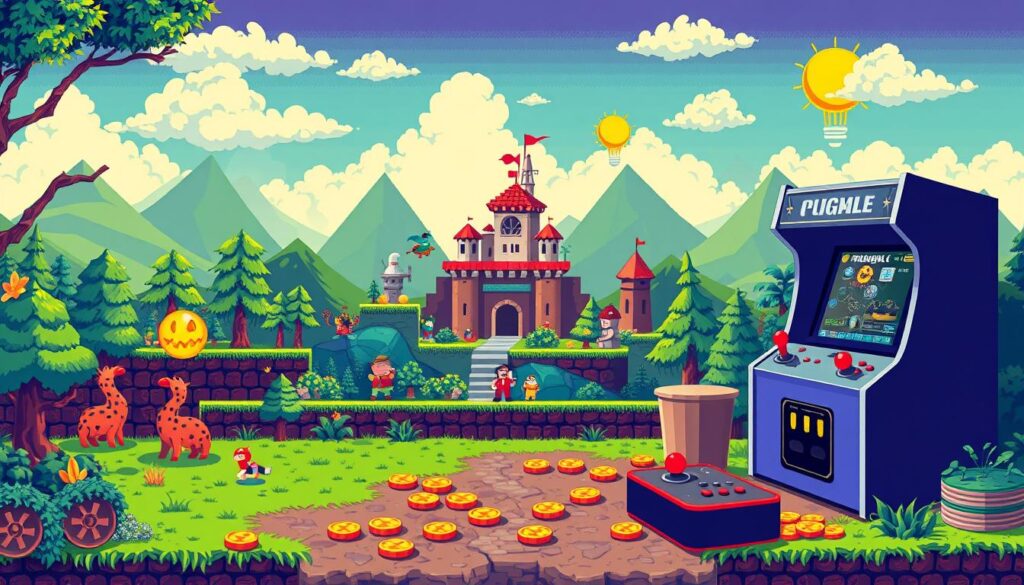
Arcade games sparked the birth of legendary franchises. Pac-Man, Space Invaders, and Donkey Kong captivated players with simple yet addictive gameplay. The 8-bit era saw Nintendo’s rise with Mario and The Legend of Zelda, setting new standards for home gaming.
Anúncios
Golden Age of Console Gaming (1990s)
The 1990s ushered in the golden age of console gaming. 16-bit consoles like the Super Nintendo and Sega Genesis brought richer graphics and deeper storytelling. Franchises like Sonic the Hedgehog, Final Fantasy, and Street Fighter became household names.
Transition to 3D Gaming Revolution
The late 1990s marked a pivotal shift to 3D graphics. Sony’s PlayStation and Nintendo 64 introduced games like Super Mario 64 and Tomb Raider, revolutionizing gameplay and visual presentation. This era birthed new franchises and reinvented classics in three dimensions.
| Era | Key Consoles | Iconic Franchises | Technological Advancements |
|---|---|---|---|
| 1970s-1980s | Arcade Machines, NES | Pac-Man, Mario, Zelda | 8-bit graphics, 2D side-scrolling |
| 1990s | SNES, Sega Genesis | Sonic, Final Fantasy, Street Fighter | 16-bit graphics, improved sound |
| Late 1990s-2000s | PlayStation, Nintendo 64 | Tomb Raider, Super Mario 64, Metal Gear Solid | 3D graphics, analog controls |
Nostalgia and Retrogames: Impact on Modern Gaming Culture
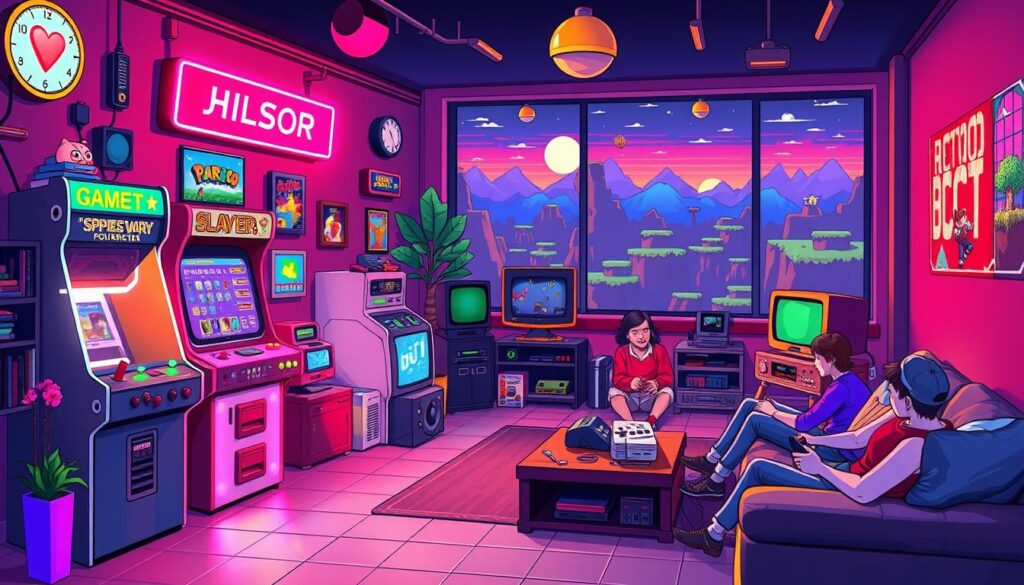
The retro gaming revival has taken the world by storm, influencing modern gaming culture in profound ways. Pixel art, once a necessity due to technical limitations, now stands as a deliberate artistic choice. Games like Stardew Valley and Celeste showcase how this style can create immersive experiences that resonate with players.
Chiptune music, the soundtrack of classic games, has found new life in contemporary titles and as a standalone genre. Artists blend these nostalgic sounds with modern production techniques, creating a unique audio landscape that bridges generations of gamers.
Gaming memorabilia has become a booming market. Collectors eagerly seek vintage consoles, cartridges, and accessories, driving up prices and fueling a thriving community of enthusiasts. This passion for preserving gaming history extends beyond physical items, inspiring digital preservation efforts and remasters of beloved classics.
“Retro gaming isn’t just about playing old games. It’s about connecting with our past and appreciating the roots of the medium we love.”
The impact of nostalgia on game design is undeniable. Many modern titles incorporate retro elements, from visual styles to gameplay mechanics, catering to players’ desire for familiar experiences. This trend has led to a renaissance of indie games that capture the essence of classic gaming while introducing innovative twists.
- Surge in retro-inspired indie games
- Growing market for vintage gaming hardware
- Influence on modern game design and marketing
As the retro gaming revival continues to shape the industry, it’s clear that the past will play a significant role in gaming’s future. The enduring appeal of classic games serves as a testament to their timeless quality and the power of nostalgia in shaping our gaming experiences.
Most Influential Retro Gaming Series
Retro gaming has left an indelible mark on the industry, with several franchises standing out as true pioneers. These series have shaped gaming history and continue to influence modern titles.
Nintendo’s Legendary Franchises
Nintendo created some of the most iconic characters in gaming. Mario, the mustachioed plumber, jumped onto screens in 1985 and never looked back. The Zelda series, with its epic quests and puzzle-solving, redefined adventure games.
SEGA’s Timeless Classics
SEGA’s blue blur, Sonic the Hedgehog, raced onto the scene in 1991. His speed and attitude offered a stark contrast to Mario’s slower-paced adventures, igniting a fierce console war that pushed both companies to innovate.
Capcom’s Enduring Legacy
Street Fighter revolutionized fighting games. Its combo system and diverse character roster set the standard for the genre. The series remains a staple in competitive gaming circles today.
Square Enix’s RPG Dynasty
Final Fantasy transformed storytelling in games. Its deep narratives and memorable characters elevated RPGs to new heights. Each entry in the series brought fresh innovations, from job systems to cinematic cutscenes.
| Franchise | First Release | Notable Innovation |
|---|---|---|
| Mario | 1985 | Platforming gameplay |
| Zelda | 1986 | Open-world exploration |
| Sonic | 1991 | Speed-based platforming |
| Street Fighter | 1987 | Combo system |
| Final Fantasy | 1987 | Epic storytelling in games |
Preserving Classic Gaming Heritage
Game preservation efforts have become crucial in keeping our digital past alive. From the early days of Pong to the latest blockbusters, video games are an important part of our cultural history. Let’s explore how the gaming industry and fans are working together to ensure these classics remain playable for future generations.
Modern Remakes and Remasters
Many beloved titles are getting fresh coats of paint through remakes and remasters. These updates bring classic games to new platforms with improved graphics and gameplay. For example, the recent remake of Resident Evil 4 breathes new life into a survival horror favorite, introducing it to a whole new audience while delighting longtime fans.
Digital Distribution Platforms
Virtual console services and digital storefronts have made it easier than ever to access retro games. Platforms like Nintendo Switch Online and PlayStation Now offer extensive libraries of classic titles. This easy access helps preserve gaming history and allows players to relive their favorite childhood games or discover classics they missed the first time around.
Retro Gaming Community Impact
The passion of retro gaming communities plays a huge role in game preservation. Fans organize retro gaming events, share emulation tips, and keep old hardware alive through repairs and modifications. These grassroots efforts ensure that even obscure titles aren’t lost to time, fostering a deep appreciation for gaming’s rich history.
FAQ
What defines a retro game franchise?
Which are some of the most influential retro gaming franchises?
How have retro game franchises evolved over time?
Why is there a resurgence of interest in retro gaming?
How are classic gaming franchises being preserved?
What impact have retro game franchises had on modern gaming?
