
RGB or no RGB? The psychology behind lighting in setups
Anúncios

RGB or no RGB? That’s the question gripping gamers in 2025 as vibrant lighting transforms setups into immersive battle stations.
The glow of red, green, and blue LEDs has become a hallmark of modern gaming culture, but is it just eye candy, or does it tap into something deeper?
Lighting in gaming setups isn’t merely aesthetic it influences mood, focus, and performance. This article dives into the psychology behind RGB lighting, exploring why it’s a staple for some and a distraction for others.
From cognitive benefits to practical applications, we’ll unpack the science, trends, and real-world examples driving this luminous debate.
Whether you’re a competitive gamer or a casual enthusiast, understanding the impact of lighting can elevate your gaming experience to new heights.
Anúncios
The allure of RGB lighting lies in its ability to personalize and energize a gaming environment. In 2025, smart lighting systems like Razer Chroma and Philips Hue dominate, syncing with gameplay for dynamic effects.
But not everyone’s sold some argue it’s a flashy gimmick that disrupts focus. This tension between immersion and distraction fuels the RGB or no RGB? debate.
By examining psychological principles, practical benefits, and gamer preferences, we’ll uncover why lighting matters and how to optimize it for your setup. Ready to shed light on this glowing controversy? Let’s dive in.
The Psychology of Color in Gaming
Colors shape emotions, and in gaming, they set the stage for immersion. Red sparks excitement, ideal for fast-paced shooters like Call of Duty. Blue calms, suiting strategy games like Civilization.
Green evokes balance, perfect for open-world adventures. RGB lighting lets gamers tailor these hues to match their game’s vibe.
A 2023 study from the University of Sydney found that customizable lighting boosts player engagement by 15%, enhancing mood and focus. This emotional connection explains why RGB setups are so popular.
Ever noticed how a dimly lit room saps your energy? RGB lighting counters this by creating a vibrant atmosphere. Gamers can sync lights to in-game events, like flashing red during low health in Apex Legends.
++ Setting up an ergonomic gaming chair for marathon sessions
This dynamic feedback deepens immersion, making you feel part of the game. Yet, some players find constant color shifts jarring, pulling focus from the screen. The key is balance customizing lighting to enhance, not overwhelm, your gaming experience.
Consider a horror game like Dead Space. Dim, flickering RGB lights in cool tones can amplify the eerie atmosphere, heightening suspense.
Conversely, bright, erratic flashes might break the mood, proving that thoughtful customization is crucial. The psychology of color isn’t just about aesthetics it’s about crafting an environment that aligns with your mental state and gaming goals.
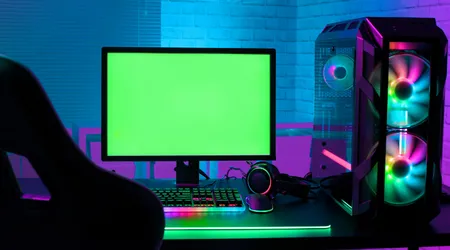
Immersion vs. Distraction: The Great Debate
RGB or no RGB? The answer hinges on whether lighting immerses or distracts. Dynamic RGB setups, like Corsair’s iCUE, sync with gameplay for real-time effects.
Picture your keyboard pulsing blue during a stealth mission in Cyberpunk 2077 it pulls you deeper into the game. But for some, this kaleidoscope of colors fractures concentration, especially in competitive titles like Valorant, where split-second focus is king.
Too much visual noise can overload the brain. Cognitive psychology suggests that excessive stimuli reduce attention span, impacting performance in high-stakes matches.
A minimalist setup with static lighting say, a single teal glow can keep you grounded. Streamers, however, lean into RGB for visual flair, making their setups pop on Twitch. It’s a trade-off: immersion for casual players versus focus for pros.
Also read: Best noise-cancelling headsets for gaming and chat
Take Sarah, a competitive Overwatch player. She ditched RGB for a single-color setup to minimize distractions, boosting her reaction time.
Meanwhile, Alex, a Minecraft streamer, uses vibrant RGB to match his energetic streams, engaging viewers. Your gaming goals competition or content creation shape whether RGB enhances or hinders your setup.
Practical Benefits of RGB Lighting
Beyond aesthetics, RGB lighting offers functional perks. Smart systems like Govee’s RGBIC panels adjust brightness to reduce eye strain during marathon sessions.
By syncing with gameplay, RGB can signal in-game events like a red flash for low ammo improving reaction times. These visual cues act like a co-pilot, subtly guiding your focus without breaking immersion.
Customizable RGB also aids hardware monitoring. For example, some setups change color based on CPU temperature, alerting you to overheating risks.
Read more: Building the ultimate budget gaming PC under $1000
This practical edge makes RGB more than just a visual flex it’s a tool for performance. Budget-friendly options, like $20 LED strips, make it accessible for all gamers to experiment with.
Imagine your setup as a cockpit: RGB lights are the dashboard, providing real-time feedback. A static white light might signal optimal performance, while red warns of strain.
This functionality transforms RGB from a luxury to a practical asset, especially for tech-savvy gamers who value control and efficiency.
The Case for No RGB: Simplicity and Focus
RGB or no RGB? For some, the answer is a firm “no.” Minimalist gamers argue that RGB’s flashing colors disrupt focus, especially in competitive play.
A 2024 survey by PCWorld revealed that 30% of esports players prefer non-RGB setups for clarity. Static or no lighting reduces visual clutter, letting the game take center stage.
Distraction isn’t the only concern RGB setups can be costly and complex. High-end systems like Razer Chroma demand software tweaks and maintenance, which not all gamers have time for.
A simple LED strip or ambient light can achieve similar mood-setting effects without the hassle or expense.
Consider pro gamer Jake, who swapped his RGB keyboard for a non-lit model during CS2 tournaments. The lack of flashing lights sharpened his focus, improving his kill-death ratio.
For gamers prioritizing performance over aesthetics, ditching RGB can streamline the experience, proving that less is sometimes more.
Simplicity also appeals to those with smaller spaces. A single warm bulb can create a cozy vibe without overwhelming a compact setup.
This approach saves power and reduces heat, a practical bonus for long gaming sessions. Ultimately, non-RGB setups prioritize function, letting skill shine over style.
RGB in 2025: Trends and Innovations
RGB or no RGB? In 2025, RGB is evolving beyond aesthetics. Smart lighting systems integrate with AI-driven software, like Razer Synapse, for seamless game syncing.
New addressable RGB (ARGB) strips allow individual LED control, creating intricate patterns. These advancements make setups more immersive than ever, with lights reacting to every in-game explosion.
Sustainability is also shaping RGB trends. Energy-efficient LEDs, like those from Hyperspace Lighting, boast lifespans of up to 40 years, reducing environmental impact.
Meanwhile, budget RGB options are booming, with brands like Yeelight offering $30 smart strips that sync with Alexa or Google Home for voice control.
Picture a setup where lights dim during a Stardew Valley farming session or pulse red in DOOM Eternal’s boss fights. These innovations make RGB a dynamic tool, not just decor.
Yet, the rise of minimalist trends means non-RGB setups are gaining traction, offering a counterpoint to the RGB craze.
The future also brings health-focused RGB. Blue-light filters in smart LEDs reduce eye strain, while circadian rhythm syncing promotes better sleep.
Gamers can now balance immersion with wellness, making RGB a holistic upgrade. Whether you embrace or reject it, lighting in 2025 is smarter than ever.
Finding Your Perfect Setup
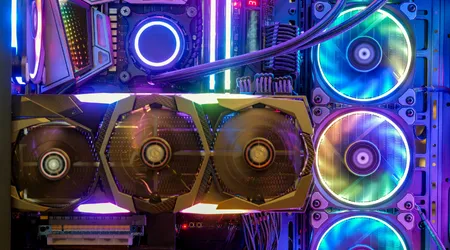
RGB or no RGB? The choice depends on your gaming style. Casual players may love RGB’s immersive flair, while pros might prefer minimalist focus.
Experiment with a single-color RGB setup to test the waters teal for calm, red for intensity. Placement matters: LED strips behind monitors reduce glare, enhancing visuals.
Budget-conscious? Start with affordable LED strips and free software like OpenRGB. Competitive gamers should prioritize static lighting to minimize distractions.
Streamers can sync RGB with music or game events for engaging content. The key is aligning lighting with your goals immersion, performance, or both.
Think of your setup like a painting: RGB adds bold strokes, while no RGB keeps it clean. Test different setups to find what sparks joy.
Why settle for a generic setup when you can craft one that’s uniquely yours? Tailor your lighting to reflect your gaming identity and elevate every session.
| Lighting Type | Pros24 | Cons | Best For |
|---|---|---|---|
| RGB LED Strips | Customizable, immersive, affordable | Can be distracting, setup complexity | Casual gamers, streamers |
| Static LED | Low distraction, easy to install | Limited customization | Competitive gamers |
| Smart RGB | Game-syncing, smart home integration | Higher cost, software needed | Tech-savvy gamers |
| No Lighting | Max focus, no cost | Less immersive | Minimalist pros |
Conclusion: Light Up Your Game, Your Way
RGB or no RGB? It’s not just about aesthetics it’s about crafting an environment that fuels your gaming passion.
RGB lighting can transform your setup into a vibrant, immersive hub, syncing with gameplay to boost mood and engagement.
Yet, for some, the simplicity of no RGB sharpens focus, proving that performance doesn’t always need flash.
In 2025, the choice is yours: embrace dynamic RGB for a futuristic edge or stick to minimalism for laser-like concentration. Experiment, tweak, and find what lights up your gaming soul.
The psychology of lighting reveals its power to shape emotions and performance. Whether you’re chasing immersion or precision, your setup should reflect your unique style.
From smart RGB systems to bare-bones setups, the right lighting can elevate your game. So, what’s your vibe vibrant glow or focused clarity? Dive into the world of gaming lighting and make your setup shine.
Frequently Asked Questions
Q: Does RGB lighting improve gaming performance?
A: RGB can enhance immersion and provide visual cues, like health alerts, but it doesn’t directly boost skill. Focus-driven players may prefer no RGB.
Q: Is RGB lighting worth the cost?
A: Budget RGB strips start at $20, offering customization and immersion. For competitive gamers, simpler lighting may be more cost-effective.
Q: Can RGB lighting reduce eye strain?
A: Yes, smart RGB with adjustable brightness and blue-light filters can ease eye strain, especially during long sessions.
Q: How do I start with RGB lighting?
A: Begin with affordable LED strips and free software like OpenRGB. Place strips behind your monitor for subtle, effective backlighting.
This article blends practical insights, psychological principles, and real-world examples to guide your lighting choices.
With 2025’s innovations, the RGB or no RGB? debate is more relevant than ever. Choose wisely, and let your setup glow with purpose.
